









Introduction to Fly Fishing Backpacks
Fly fishing offers enthusiasts a chance to connect with nature in a uniquely engaging way. A critical aspect of enhancing this experience is having the right gear, and among the most crucial pieces of equipment is a reliable fly fishing backpack. This backpack becomes your trusted companion as you navigate rivers, streams, and lakes, enabling you to carry your gear efficiently while maintaining comfort throughout your fishing journey. In this article, we’ll explore the importance of quality backpacks in fly fishing, the essential features to look for, popular styles, and how proper maintenance can enhance their longevity.
Importance of a Quality Backpack
A quality fly fishing backpack is more than just a carrying container. It plays a pivotal role in the overall fishing experience. The right backpack should provide not only durability and functionality but also comfort as you maneuver through various terrains. An inadequate pack can lead to discomfort and hinder your fishing efficiency. Therefore, investing in a quality fly fishing backpack is crucial for serious anglers.
Key Features to Look For
Choosing the right fly fishing backpack involves understanding key features that contribute to durability and functionality. Here are some key characteristics that should influence your purchase:
- Capacity: The size of the backpack should suit your fishing style. Daytrippers may require smaller packs, while extended trips necessitate larger storage.
- Water Resistance: Given the nature of fishing, a backpack with water-resistant materials ensures your gear stays dry and protected.
- Padded Straps and Back Panel: Comfort is vital, especially during long treks. Look for adjustable, padded straps that distribute weight evenly.
- Organization: Multiple compartments and pockets help in efficiently organizing fishing gear and personal items.
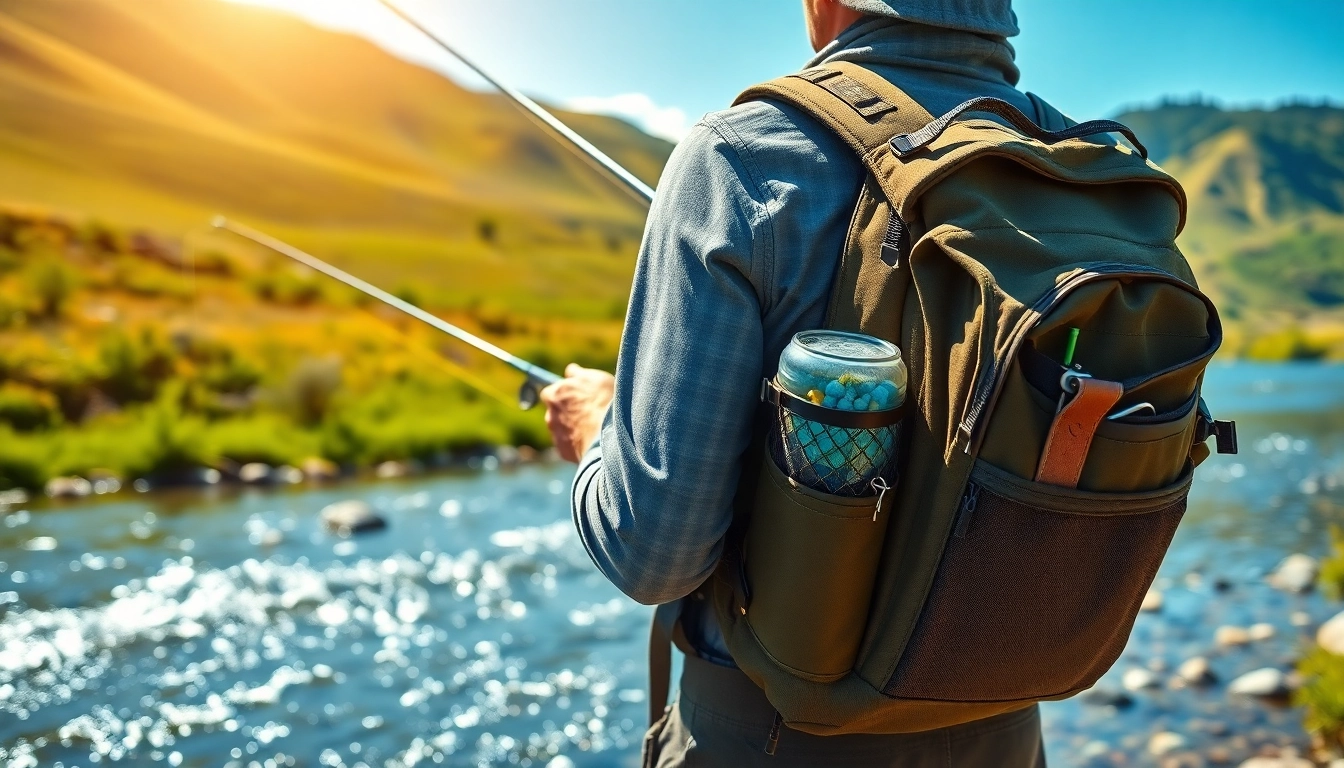
- Attachment Points: D-rings and loops can be useful for securing tools, nets, and other accessories.
Top Brands in the Market
The fly fishing backpack market is rich with reputable brands that cater to varying needs and budgets. Some of the most respected brands include:
- Orvis: Known for high-quality fishing equipment, Orvis offers a range of backpacks tailored for specific fishing conditions.
- Simms: With a focus on durability, Simms backpacks often include advanced materials and convenient features for serious anglers.
- Fishpond: This brand emphasizes eco-friendly materials without compromising functionality, making it a popular choice.
- Umpqua: Renowned for innovative designs, Umpqua backpacks often feature unique organizational elements that many anglers appreciate.
Understanding Your Needs
Day Trips vs. Extended Trips
Your fishing schedule plays a significant role in your choice of backpack. Day trips typically require a smaller, lightweight pack that allows for easy mobility. Such backpacks should accommodate essential gear and perhaps a light lunch without feeling cumbersome. On the other hand, extended trips require a more substantial pack capable of holding additional supplies, including food, water, and other necessities for multiple days. Evaluating your fishing habits can help you choose a backpack that meets your specific needs.
Types of Fishing Gear to Consider
When selecting a fly fishing backpack, consider the type of gear you typically carry. If you often bring a rod tube or large reels, your backpack needs ample space and perhaps even an external strap system for these items. Likewise, if you prefer to carry a first aid kit, snacks, and hydration options, ensure your pack can manage this additional weight while still remaining comfortable to wear.
Personal Comfort and Fit
Comfort is paramount in choosing any backpack, especially for extended periods. Make sure to try a backpack on to check the fit. You should feel snug support without being overly tight. Look for adjustable waist and chest straps, which can relieve weight from your shoulders and distribute it across your body, enhancing comfort during long hikes.
Popular Styles of Fly Fishing Backpacks
Traditional vs. Modern Designs
Fly fishing backpacks are available in both traditional and modern designs. Traditional backpacks typically favor a classic look with straightforward functionality. They might boast simple pockets and compartments. In contrast, modern designs often feature ergonomic shapes and innovative materials. They may include enhanced organizational layouts, quick-access pockets, and attachment points for additional gear. Depending on your style, you can choose a pack that aligns with your preferences.
Waterproof and Durable Options
A waterproof backpack is indispensable for anglers who frequently fish in wet environments. Look for backpacks made from high-quality waterproof materials like nylon and polyester that can withstand rain, splashes, and moisture. Reinforced stitching and durable zippers are also essential for ensuring the backpack withstands the rigors of outdoor adventures.
Specialized Backpacks for Different Environments
Some backpacks are tailored to specific environments, such as river fishers, lake anglers, or those who trek into remote areas. River fishing backpacks often have quick-access compartments for fly boxes, while those designed for long treks include added insulation for hydration packs. It’s beneficial to identify backpacks that cater to your specific fishing conditions and geographical locations.
Maintenance and Care for Your Backpack
Cleaning and Upkeep Tips
Maintaining your fly fishing backpack is crucial for its longevity. After each use, particularly after fishing trips in muddy or wet conditions, take the time to clean your backpack. Use a damp cloth and mild soap to wipe down the exterior. If your backpack is machine washable, follow the manufacturer’s instructions on cleaning and drying methods to prevent damage.
Storage Solutions for Longevity
When storing your backpack, especially for off-seasons or extended breaks, ensure it’s clean and dry. Unbuckle straps and avoid storing items inside, as this can cause creasing and distortion over time. Hang the backpack or store it flat in a cool, dry area to retain its shape and condition.
Repairing Common Issues
Even the best backpacks can incur wear and tear over time. Common issues include ripped seams, broken zippers, or frayed straps. It’s essential to address these problems immediately to prevent further damage. Many fishing gear companies offer repair services, or you can DIY these fixes with a needle and thread or patch kits available at outdoor retailers.
Maximizing Your Fly Fishing Experience
Accessorizing Your Backpack
Accessorizing your fly fishing backpack can significantly enhance your fishing adventures. Consider incorporating items such as hydration packs, safety tools like first aid kits, weather gear, and quick-access fishing tool holders. These elements not only improve efficiency but also contribute to a more enjoyable experience by ensuring you’re well-equipped for various conditions.
Best Practices for Packing
Effective packing can make or break your fishing experience. Start by organizing items by category, such as fishing gear, personal items, and food. Keep frequently used items easily accessible at the top of the backpack. Utilize zippered pockets for smaller gear and keep heavier items close to your back for better weight distribution. Additionally, ensure all items are secured properly to avoid losing anything during your trek.
Safety Tips While Fishing
Safety should always be a priority when engaging in outdoor activities like fly fishing. Always carry a personal flotation device if you’re fishing near or on water. It’s also smart to inform someone about your fishing plans, including your expected return time. Additionally, consider carrying emergency tools, such as a whistle, a firestarter, and a multi-tool. Preparing adequately can prevent mishaps and enhance your overall fishing experience.