










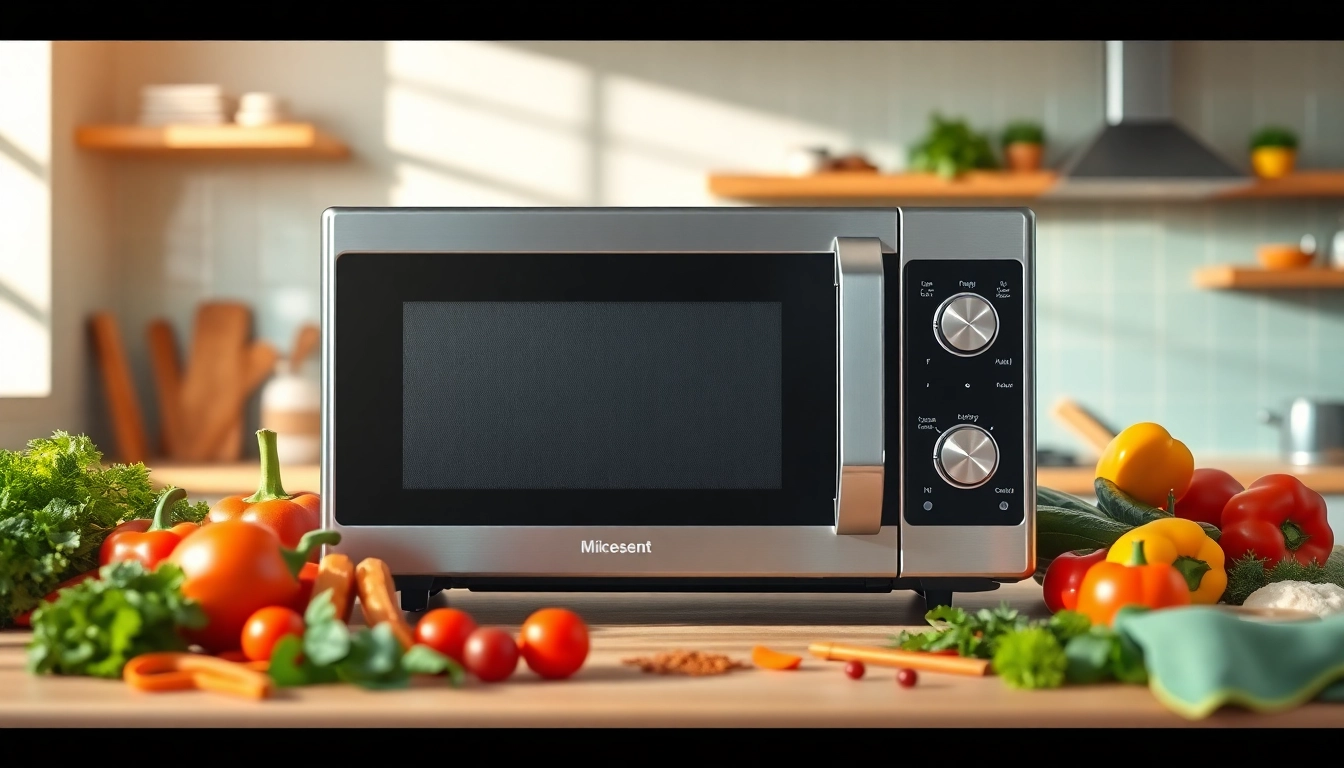
Introduction to Microwave Oven Technology
What is a Microwave Oven?
A Microwave Oven is an essential kitchen appliance that utilizes electromagnetic radiation to heat and cook food. Unlike traditional ovens that rely on hot air circulation and conduction, a Microwave Oven generates microwaves, a form of non-ionizing radiation, to excite water molecules in the food. This rapid agitation leads to heat generation, resulting in quick cooking times and efficient meal preparation. The convenience and efficiency of the Microwave Oven have made it a staple in many households around the world.
How Microwave Ovens Work
At the heart of a Microwave Oven is the magnetron, a device that converts electricity into microwaves. When the oven is turned on, the magnetron produces microwaves that are channeled into the cooking chamber, where they reflect off the metal walls. As the microwaves penetrate the food, they cause the water molecules within to vibrate swiftly, generating heat through friction. This method enables food to be cooked from the inside out, significantly reducing cooking times compared to conventional methods. Additionally, the design of many Microwave Ovens includes turntables to ensure even heating.
The Evolution of Microwave Oven Designs
The history of Microwave Ovens dates back to the 1940s when Percy Spencer accidentally discovered that microwaves could cook food. The first commercial Microwave Ovens were bulky, expensive, and primarily used in restaurants. Over the decades, advancements in technology have led to more compact and affordable versions, with features such as programmable settings, energy sensors, and inverter technology. These innovations not only enhance cooking efficiency but also address user convenience, making the Microwave Oven more accessible to the average consumer.
Benefits of Using a Microwave Oven
Time-Saving Convenience
One of the most significant benefits of using a Microwave Oven is the time it saves in meal preparation. With the ability to reheat leftovers in minutes and cook foods such as vegetables and meats in a fraction of the time required by conventional ovens, users can streamline their cooking processes. This efficiency is especially valuable for busy households or individuals who may not have time for extensive cooking sessions.
Versatility in Cooking
Modern Microwave Ovens are incredibly versatile. They are not only used for reheating food but also for defrosting, steaming, baking, and even grilling. Many advanced Microwave Ovens come equipped with multiple cooking modes that allow users to experiment with various food types and cooking techniques. This versatility opens up new possibilities for meal preparation, allowing users to create a wide range of dishes conveniently.
Energy Efficiency Compared to Conventional Ovens
Microwave Ovens consume less energy than conventional ovens, resulting in lower electricity bills. They typically require less time to cook food and heat only the item without warming the entire kitchen, thus reducing overall energy consumption. For eco-conscious consumers, choosing a Microwave Oven can contribute to a more sustainable kitchen, adhering to energy-efficient practices while reducing carbon footprints.
Choosing the Right Microwave Oven
Types of Microwave Ovens
When shopping for a Microwave Oven, understanding the different types available is crucial. There are several categories, including countertop models, built-in microwaves, combination microwaves, and over-the-range microwaves. Countertop models are the most common and versatile, while built-in microwaves offer a seamless look within cabinetry. Combination microwaves combine convection cooking and microwave technology, providing the best of both worlds, and over-the-range models save countertop space by integrating with kitchen ventilation systems.
Key Features to Consider
Before purchasing a Microwave Oven, potential buyers should consider necessary features that best suit their cooking habits. Look for options such as preset cooking modes, sensor cooking, auto-defrost functions, and child safety locks. Smart technology is also becoming increasingly popular, with some models allowing users to control cooking functions via smartphone apps. Assessing these features can lead to a better cooking experience and more efficient use of the appliance.
Size and Capacity Requirements
The size and capacity of a Microwave Oven should align with the user’s kitchen space and cooking needs. Standard countertop models typically range from 0.5 to 2.0 cubic feet, accommodating various dish sizes. Consider where the Microwave Oven will be placed, and whether a larger capacity would be advantageous for family meals or entertaining guests. Ensuring that the chosen model fits comfortably in designated spaces is essential for maximizing usability.
Common Microwave Oven Recipes
Quick and Easy Breakfast Ideas
Breakfast can often be rushed during busy mornings, but a Microwave Oven can facilitate quick meal prep. Simple recipes such as scrambled eggs in a mug, oatmeal with toppings, or microwave-safe breakfast burritos can be prepared in minutes. For oatmeal, simply combine rolled oats, water, and toppings in a microwave-safe bowl and heat for a minute or until cooked to preferred consistency. These easy items promote healthy morning routines without sacrificing time.
Lunch and Dinner Dishes
For lunch or dinner, Microwave Ovens can assist in cooking a variety of meals. Microwave-steamed vegetables, rice dishes, and even entire casseroles can be made quickly. A favorite example includes microwaveable stuffed bell peppers: simply stuff the peppers with a mixture of ground meat, rice, and spices, cover, and microwave until cooked thoroughly. This method ensures a nutritious meal in minimal time, appealing to both busy professionals and families.
Desserts Made Simple
Microwave Ovens make preparing desserts not only feasible but enjoyable. Mug cakes, brownies, and fruit crumbles can all be created in mere minutes. A quick mug cake can be prepared by combining flour, sugar, cocoa, and egg in a mug, adding milk and oil, and microwaving for a minute or less. This delightful treat can satisfy sweet cravings without requiring extensive baking time or cleanup.
Maintaining and Troubleshooting Your Microwave Oven
Regular Cleaning Tips
Proper maintenance extends the life of any appliance, including a Microwave Oven. Regular cleaning involves wiping down the interior with a mixture of water and vinegar to eliminate odors and food residue. For tougher stains, a gentle scrub with baking soda can be effective without damaging surfaces. Ensuring the microwave is cleaned regularly will maintain optimal performance and eliminate any unwanted smells during cooking.
Common Issues and Solutions
Microwave Ovens may encounter several common problems, from inconsistent heating to malfunctioning buttons. If the microwave is not heating properly, users should check if the door is closing securely, as microwaves will not operate if the door latch is faulty. If issues persist, referring to the user manual for troubleshooting tips or contacting customer support may be necessary. Keeping an eye on these potential problems can help maintain functionality.
When to Seek Professional Help
Some issues may require professional intervention, especially when internal components, such as the magnetron or control panel, malfunction. If odd noises, sparks, or a burning smell are detected during operation, unplugging the appliance and seeking professional help is crucial to prevent hazards. Regular servicing can also extend the life of the Microwave Oven and ensure it operates safely.
Frequently Asked Questions
1. Can I use metal containers in my Microwave Oven?
No, metal containers should not be used in a Microwave Oven as they can cause sparks and fires. It’s best to use microwave-safe glass or plastic containers.
2. How do I prevent food from splattering in the Microwave Oven?
Using microwave-safe covers or plates can prevent food splatters while cooking. Additionally, placing a paper towel over dishes helps absorb moisture and prevents messes.
3. How often should I clean my Microwave Oven?
It’s recommended to clean your Microwave Oven at least once a week. Regular cleaning helps prevent odors and maintains optimal performance.
4. Can I cook raw chicken in my Microwave Oven?
Yes, you can cook raw chicken in a Microwave Oven. Ensure it’s cooked thoroughly until the internal temperature reaches at least 165°F to guarantee safety.
5. Is defrosting in the Microwave Oven safe?
Yes, defrosting in a Microwave Oven is safe. However, ensure that food is cooked immediately after defrosting to avoid bacterial growth.


