










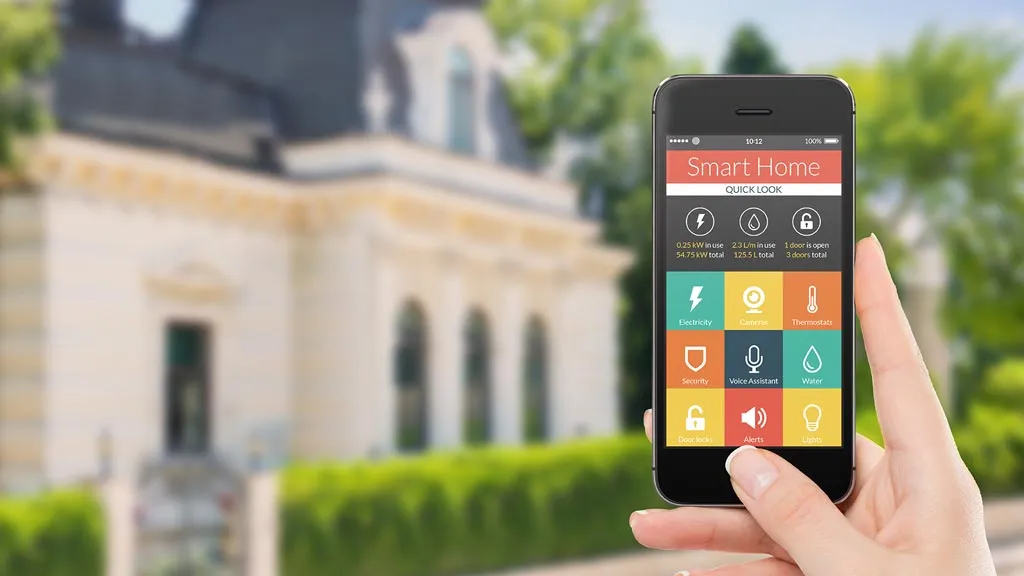
In 2026, a Smart Home is no longer a luxury—it is a practical investment that improves safety, comfort, and efficiency while helping homeowners save money. By leveraging smart devices, automation, and integrated systems, households can reduce energy consumption, prevent costly damage, and proactively manage security. Smart homes provide a level of control and insight that traditional homes cannot match, allowing homeowners to make informed decisions that protect both their property and their finances.
- Understanding the Financial and Safety Benefits of a Smart Home
- Energy-Efficient Smart Home Tips
- Safety-Oriented Smart Home Tips
- Cost-Saving Smart Home Automation Tips
- Smart Home Gadgets That Maximize Savings and Safety
- Integrating Smart Home Devices for Maximum Benefit
- Lifestyle Tips to Maximize Smart Home Benefits
- Future Trends in Smart Home Safety and Efficiency
- Conclusion
- FAQs
Understanding the Financial and Safety Benefits of a Smart Home
Smart homes combine technology and convenience with tangible financial and security benefits. Homeowners who invest in smart devices can reduce utility costs, prevent accidents, and lower the risk of property loss.
How Smart Homes Save Money
Smart devices reduce unnecessary energy use, optimize appliance performance, and provide actionable insights that prevent costly mistakes. For instance, automated climate control reduces heating and cooling costs, while smart lighting ensures electricity is used efficiently.
How Smart Homes Enhance Safety
Integrated cameras, alarms, sensors, and smart locks work together to monitor homes continuously. This not only prevents theft but also protects against environmental hazards such as fires, floods, and carbon monoxide exposure. Automation ensures a proactive approach to safety rather than a reactive one.
The Combined Impact
By combining cost-saving strategies with enhanced security measures, smart homes deliver both financial efficiency and peace of mind. Homeowners can protect their investment, minimize risk, and enjoy a more efficient and comfortable lifestyle.
Energy-Efficient Smart Home Tips
Energy efficiency is one of the most effective ways to save money with smart home technology.
Smart Thermostats
Smart thermostats learn household routines and adjust heating and cooling automatically. They can reduce energy consumption by:
- Adjusting temperatures based on occupancy
- Using predictive scheduling to align with daily routines
- Integrating with weather forecasts to optimize settings
Automated Lighting
Smart bulbs and lighting systems prevent unnecessary energy usage by:
- Turning off lights when rooms are unoccupied
- Adjusting brightness according to natural light levels
- Scheduling lights to operate only when needed
Smart Plugs and Appliance Management
Smart plugs allow homeowners to monitor and control the energy usage of individual devices. They can:
- Automatically turn off idle appliances
- Provide usage reports for informed energy decisions
- Enable remote control to prevent waste
Energy Monitoring Systems
Centralized energy monitoring provides insights into household consumption patterns, allowing homeowners to identify high-usage areas and make adjustments that save money over time.
Safety-Oriented Smart Home Tips
While saving money is important, a smart home’s primary benefit often lies in safety and protection.
Smart Locks and Access Control
Smart locks provide enhanced security by allowing homeowners to:
- Lock and unlock doors remotely
- Grant temporary access to visitors or service personnel
- Receive notifications when doors are accessed
These features reduce the risk of break-ins and allow for better management of household access.
Cameras and Surveillance Systems
Smart cameras monitor indoor and outdoor areas, providing:
- Real-time alerts for unusual activity
- Two-way communication for remote interaction
- Recorded footage for evidence in case of incidents
Integration with alarms and lighting can deter intruders and alert homeowners instantly, enhancing safety.
Environmental Sensors
Sensors for smoke, carbon monoxide, and water leaks detect hazards early and trigger automated responses, such as:
- Activating alarms and emergency lighting
- Shutting off water valves in case of leaks
- Sending instant notifications to homeowners
Motion Sensors and Automated Lighting
Motion-activated lighting improves both safety and security. It illuminates pathways, entry points, and outdoor areas, reducing the risk of accidents and deterring potential intruders.
Cost-Saving Smart Home Automation Tips
Automation is key to maximizing financial efficiency and household safety.
Scheduled Routines
Homeowners can schedule smart devices to operate only when needed. Examples include:
- Thermostats adjusting temperatures while away
- Lights turning on before arrival and off at bedtime
- Appliances running during off-peak energy hours
Event-Triggered Automation
Automation based on events allows smart homes to react to changes in real time. For instance:
- Motion detection triggers cameras and lights
- Smoke or carbon monoxide detection activates alarms and HVAC shutdowns
- Water leak sensors automatically close valves
Personalized Automation
Smart home systems learn household routines and adapt to individual preferences, optimizing both convenience and cost savings without constant manual adjustments.
Smart Home Gadgets That Maximize Savings and Safety
Investing in specific smart home gadgets can deliver measurable benefits for both finances and protection.
Smart Thermostats and Climate Control Devices
By monitoring and adjusting temperatures efficiently, these devices reduce energy costs and maintain comfort, preventing overuse of heating or cooling systems.
Smart Lighting and Occupancy Sensors
Automated lighting saves electricity while improving security by illuminating unoccupied areas when motion is detected.
Smart Locks and Security Systems
These devices prevent unauthorized access, reduce the likelihood of theft, and allow homeowners to control entry remotely, avoiding potential losses.
Water Leak Detectors and Environmental Monitors
Detecting leaks early prevents expensive water damage, while smoke and carbon monoxide detectors protect lives and property, avoiding emergency costs.
Smart Appliances
Connected refrigerators, ovens, and dishwashers operate more efficiently, provide alerts for maintenance issues, and allow for remote control, reducing energy waste and extending appliance lifespan.
Integrating Smart Home Devices for Maximum Benefit
Integration ensures that all devices work together, amplifying their financial and safety advantages.
Centralized Hubs
A smart home hub consolidates control of cameras, alarms, lighting, climate, and appliances, allowing homeowners to manage everything from one interface.
Coordinated Automation
Integrated systems can coordinate actions across devices. For example:
- Motion detection triggers lights, cameras, and notifications simultaneously
- Smoke detection activates alarms, lights, and HVAC adjustments
- Water leak detection shuts off valves and alerts homeowners
Remote Monitoring and Management
Remote access ensures that homeowners can monitor, adjust, and control devices while away, providing peace of mind and preventing costly incidents.
Scalability and Adaptability
Integrated smart home systems are scalable, allowing homeowners to add new devices over time. This adaptability ensures long-term cost savings and continued safety improvements.
Lifestyle Tips to Maximize Smart Home Benefits
Beyond devices, homeowners can adopt lifestyle strategies to enhance both savings and safety.
Regular Maintenance and Updates
Keep devices updated and maintained to ensure optimal performance, energy efficiency, and security. Firmware updates often improve automation features and patch vulnerabilities.
Behavioral Adjustments
Combine smart home technology with mindful usage habits, such as:
- Setting temperature thresholds instead of keeping thermostats at extreme settings
- Turning off unused appliances and lights manually when appropriate
- Using scheduled routines to avoid unnecessary energy consumption
Leveraging Data and Insights
Most smart home systems provide detailed reports on energy usage, security events, and environmental conditions. Homeowners can analyze these insights to identify further opportunities for savings and risk reduction.
Future Trends in Smart Home Safety and Efficiency
The smart home landscape continues to evolve, offering new opportunities for homeowners.
AI-Powered Automation
Artificial intelligence will enhance predictive automation, optimizing energy use, security responses, and household routines automatically.
Advanced Environmental Monitoring
Next-generation sensors will detect more hazards, provide health insights, and enable proactive measures to prevent accidents and property damage.
Sustainable Smart Homes
Integration with renewable energy sources, smart grid technologies, and energy storage systems will allow homes to maximize efficiency and reduce costs while supporting environmental sustainability.
Enhanced Remote Management
Future smart home systems will offer more intuitive control, with AI-driven suggestions and automated adjustments for safety, comfort, and cost savings.
Conclusion
Smart home technology provides an unparalleled combination of cost savings, safety, and convenience for homeowners in 2026. By leveraging energy-efficient devices, integrated security systems, automation, and data-driven insights, households can reduce utility costs, prevent accidents, and protect property. Centralized control and coordinated automation amplify these benefits, creating a cohesive, proactive, and future-ready home. Homeowners who implement these smart home tips enjoy not only financial efficiency but also peace of mind, comfort, and enhanced safety, making smart homes a practical investment for modern living. Ready for the full experience? Head over to the homepage now.
FAQs
How can smart home devices help save money on energy bills?
Smart home devices optimize energy usage by regulating heating, cooling, lighting, and appliances based on occupancy, schedules, and environmental conditions, reducing waste and lowering utility costs.
What smart home devices improve household safety the most?
Smart locks, cameras, motion sensors, smoke detectors, carbon monoxide detectors, and water leak sensors are the most impactful, providing real-time monitoring, alerts, and automated responses to potential hazards.
Are smart home systems suitable for renters as well as homeowners?
Yes, many smart home devices are easy to install, portable, and non-invasive, making them suitable for rental properties. Renters can enjoy cost savings, enhanced security, and convenience without permanent modifications.


