Understanding Crawl Space Restoration
What is Crawl Space Restoration?
Crawl space restoration is the process of repairing and rehabilitating the often-overlooked areas beneath a home. These spaces serve as a buffer between the ground and the living areas above, providing essential functions such as ventilation and access to utilities. Restoration typically includes addressing moisture issues, mold removal, structural repairs, and improving ventilation systems to ensure a healthier home environment. A well-maintained crawl space contributes significantly to the overall integrity and comfort of a house.
Importance of Crawl Space Restoration
The significance of crawl space restoration cannot be overstated. Many homeowners underestimate the crucial role that crawl spaces play in their home's structural health. They can be hotspots for moisture accumulation and insect infestations, leading to costly repairs. Proper restoration not only enhances the structural integrity of a house but also improves indoor air quality, reduces energy consumption, and prevents health issues related to mold and pest infestations. Engaging in Crawl Space Restoration is a proactive step toward maintaining a safe and efficient living environment.
Signs That You Need Crawl Space Restoration
Recognizing the signs that your crawl space needs restoration is critical for homeowners. Common indicators include:
- Excessive Humidity: High moisture levels in the air can lead to mold growth and structural issues.
- Mold Growth: Visible fungus is a clear sign of moisture problems that require immediate attention.
- Pest Infestations: Signs of rodents, insects, or other pests can indicate that your crawl space is compromised.
- Structural Damage: Cracks in the foundation or warped beams can signal serious issues that need to be addressed.
- Odors: Foul smells wafting from vents or the ground level often stem from decay or mold.
Common Issues in Crawl Spaces
Mold and Mildew Growth
Mold and mildew thrive in damp, dark environments, making crawl spaces prime locations for growth. These fungi can spread rapidly, leading to health concerns such as respiratory issues, allergic reactions, and other ailments. Identifying moisture sources, addressing leaks or drainage issues, and ensuring proper ventilation are key steps in mitigating this problem. Regular inspections are essential for early detection and treatment.
Pest Infestations
Pests, including rodents and insects, are often attracted to crawl spaces due to easy access and shelter. Besides being a nuisance, these pests can cause significant damage to insulation, wiring, and structural components. Identifying entry points, implementing physical barriers, and maintaining a clean, dry environment are vital for preventing infestations.
Structural Damage
Over time, the structural integrity of a home's foundation can be compromised due to water damage, pests, or shifting soil. Signs of structural damage may include uneven floors, cracks in the foundation walls, and warping of support beams. Engaging a professional for a thorough inspection and necessary repairs ensures the long-term stability of the home.
Steps in Crawl Space Restoration
Inspection Process
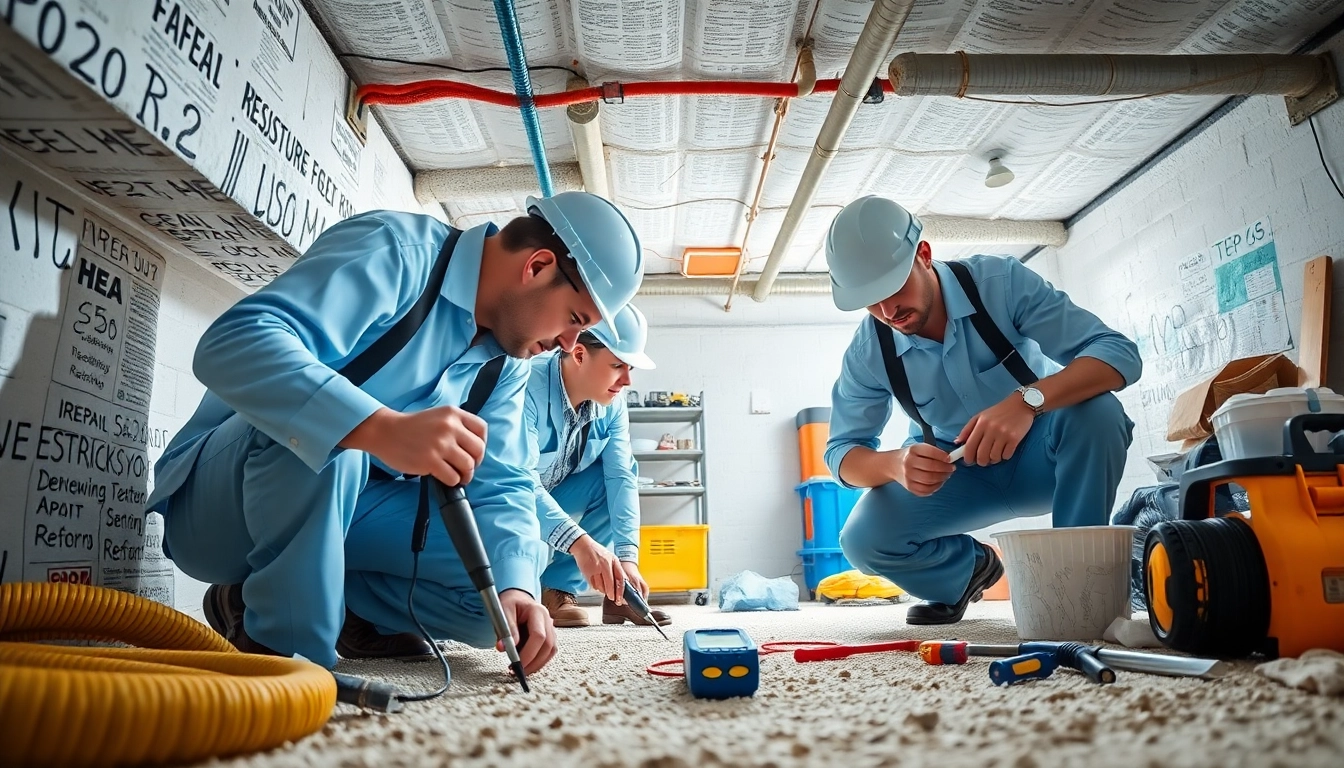
The first step in crawl space restoration is a comprehensive inspection. A qualified professional will evaluate the area for moisture problems, signs of mold, pest infestations, and structural conditions. Documentation of findings offers homeowners a clear understanding of existing issues and necessary remediation steps. Regular inspections should become part of maintenance routines to catch problems early.
Moisture Control Techniques
Effective moisture control is crucial in maintaining a healthy crawl space. Key techniques include:
- Improving Drainage: Ensure proper grading and downspouts direct water away from the foundation.
- Installing Vapor Barriers: Using polyethylene sheets prevents ground moisture from seeping into the space.
- Dehumidifiers: Installing dehumidifiers can help control humidity levels, enhancing overall air quality.
Repair and Maintenance
Once moisture issues are addressed, repairs should focus on any structural damage found during the inspection. Ensuring that beams, joists, and the foundation are sound should take priority. Regular maintenance includes checking for leaks, replacing damaged insulation, and ensuring that ventilation remains unobstructed to promote airflow.
Crawl Space Restoration Best Practices
Choosing the Right Materials
Selection of high-quality materials is pivotal in crawl space restoration. This includes moisture-resistant insulation, mold-resistant materials, and durable sealing products. Incorrect choices can lead to future deterioration, so consulting with professionals to determine the best options for specific conditions is advisable.
Hiring Qualified Professionals
Restoration tasks should be undertaken by qualified professionals who have experience and training in dealing with crawl space issues. Proper credentials and recommendations are important to ensure the work is performed correctly and safely. Engaging experts helps mitigate risks associated with DIY repairs.
Regular Maintenance Tips
Preventative maintenance is vital for sustaining crawl space integrity after restoration. Homeowners should:
- Schedule regular inspections and cleanouts.
- Monitor humidity levels and adjust dehumidifiers as needed.
- Check for cracks and seal any potential entry points for pests.
Frequently Asked Questions about Crawl Space Restoration
What does crawl space restoration involve?
It involves inspecting, repairing, and maintaining crawl spaces to eliminate moisture issues, mold, and structural damage, enhancing overall home health.
How often should crawl space restoration be done?
Restoration should be conducted whenever significant issues are discovered; however, regular inspections are recommended every 1-2 years to prevent problems.
Can I do crawl space restoration myself?
Some tasks can be DIY, but for comprehensive restoration involving structural damage or mold, hiring professionals is advisable for safety and thoroughness.
What are the costs associated with crawl space restoration?
Costs vary based on the extent of damage and required repairs, generally ranging from a few hundred to several thousand dollars depending on the specific needs.
How can I prevent future crawl space issues?
Prevent issues by ensuring proper drainage, maintaining moisture levels, sealing entry points for pests, and conducting regular, thorough inspections.