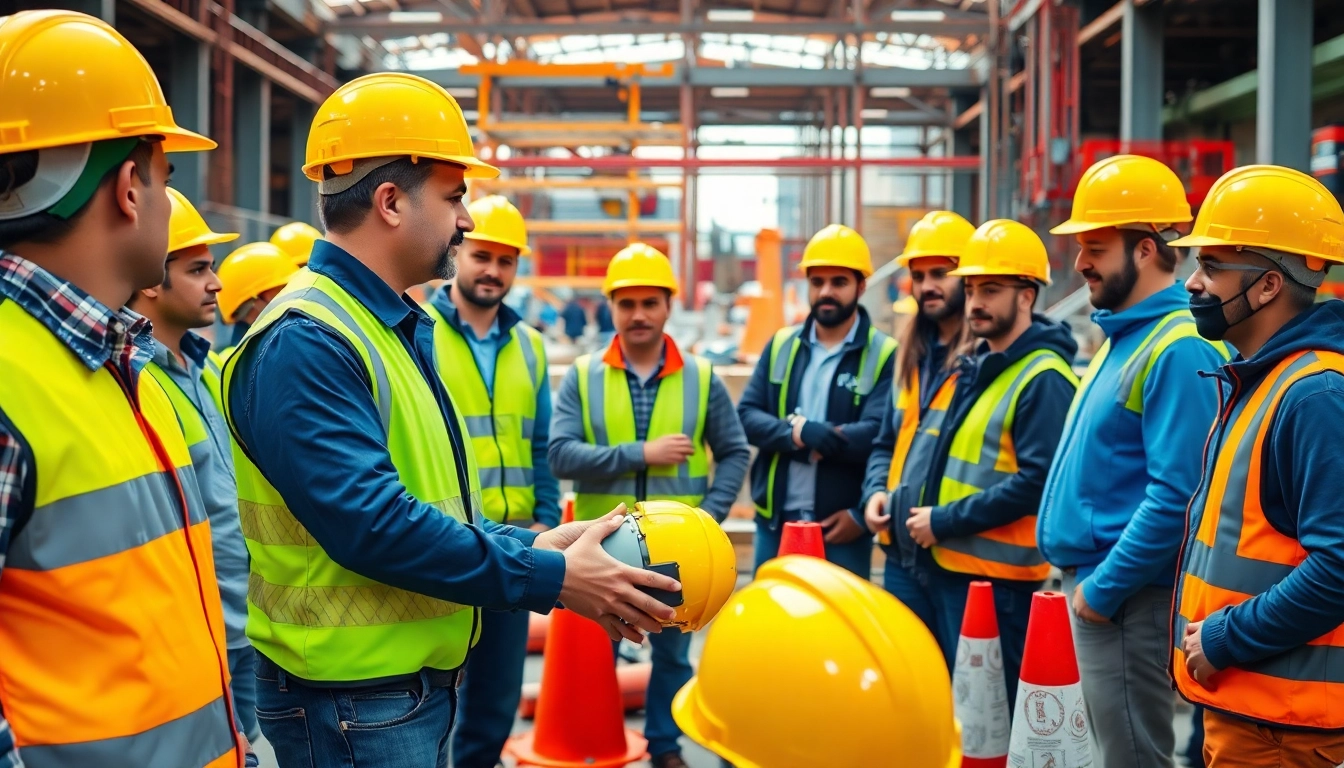
Understanding the Importance of Construction Safety Training
Construction is one of the most hazardous industries, accounting for a significant number of workplace injuries and fatalities each year. Ensuring construction safety training is not just a legal obligation but a moral responsibility for employers, workers, and stakeholders alike. With the right training, construction sites can become safer environments, leading to reduced accidents, enhanced productivity, and better compliance with safety regulations.
Key Benefits of Construction Safety Training
Implementing comprehensive safety training programs presents numerous benefits:
- Reduced Accidents and Injuries: Training equips workers with the knowledge to identify hazards and respond appropriately, significantly lowering the risk of accidents.
- Increased Productivity: A safe work environment fosters confidence among workers, enhancing their focus and productivity.
- Improved Employee Morale: Workers feel valued when their safety is prioritized, leading to higher morale and job satisfaction.
- Legal Compliance: Regular training ensures adherence to legal requirements and avoid heavy fines that may arise from non-compliance.
- Cost Savings: Fewer accidents translate to lower medical and insurance costs, leading to significant savings for employers.
Common Risks in Construction without Training
Operating without adequate safety training leads to various potential risks. These include:
- Falls from Heights: One of the leading causes of fatalities in construction, these incidents can occur when workers are not trained in fall protection.
- Electrocution: Workers who lack knowledge of electrical safety may expose themselves to dangerous situations.
- Equipment-related Injuries: Misuse or mishandling of machinery can result in serious injuries, often due to insufficient training.
- Hazardous Material Exposure: Understanding material handling procedures can prevent occupational illnesses.
Legal Requirements for Construction Safety
Employers must comply with various regulations set by organizations such as the Occupational Safety and Health Administration (OSHA). Health and safety regulations mandate regular training on:
- Personal Protective Equipment (PPE)
- Fall prevention and protection measures
- Electrical safety
- Hazard Communication Standards
- Scaffold safety
These requirements ensure that employees are not only aware of risks but also possess the essential skills to mitigate them.
Core Components of Effective Construction Safety Training
Essential Safety Training Topics to Cover
For training to be impactful, crucial subjects must be adequately covered. Key topics include:
- Fall Protection: Educate workers on the use of safety harnesses, guardrails, and proper techniques for working at heights.
- Hazard Recognition: Training should teach workers to identify potential hazards on job sites and understand risk assessments.
- Emergency Response: Workers should be trained in procedures for medical emergencies, evacuations, and reporting incidents.
- Personal Protective Equipment: Proper usage of PPE, including helmets, gloves, goggles, and respiratory gear, is fundamental for safety.
Hands-On Training vs. Theoretical Learning
While theoretical knowledge is essential, hands-on training provides workers with practical experience. Studies show that:
- Hands-on training leads to better retention of information as workers practice real-world scenarios.
- Practical training enhances confidence in using tools and equipment safely.
- Workers can receive immediate feedback, allowing for quick adjustments to unsafe practices.
Combining both types of training creates a comprehensive learning experience that prepares workers for various situations.
Utilizing Technology in Training Programs
Incorporating technology can vastly improve the effectiveness of safety training programs. Some innovations include:
- Virtual Reality (VR): Simulations allow trainees to experience dangerous situations in a controlled environment, enhancing their decision-making skills without real-world risks.
- Online Training Modules: eLearning platforms facilitate flexible learning schedules and can be easily updated to reflect new regulations and practices.
- Mobile Applications: Safety apps can reinforce training concepts through quizzes, reminders, and safety checklists accessible on-site.
Best Practices for Implementing Construction Safety Training
Creating an Engaging Training Environment
To foster effective learning, an engaging training environment is crucial. Consider these strategies:
- Interactive Sessions: Encourage participation through group discussions, role-playing, and hands-on activities.
- Use of Real-life Examples: Incorporating case studies of actual incidents can underscore the importance of safety practices.
- Request Feedback: Solicit feedback from participants to continuously improve training materials and approaches.
Measuring Training Effectiveness
Analyzing the success of safety training involves several metrics:
- Incident and Accident Rates: Monitoring trends in workplace incidents before and after training can reveal its effectiveness.
- Employee Surveys: Conducting surveys to gauge employees' understanding and confidence in applying safety practices is vital.
- Training Assessment Results: Evaluate participants' knowledge retention through post-training assessments or practical evaluations.
Continuous Improvement in Safety Training
Safety training should evolve with the industry. Best practices for continuous improvement include:
- Regularly Update Training Materials: Keep materials current with the latest safety standards and emerging risks.
- Incorporate Feedback: Adjust training programs based on employee feedback and incident reports.
- Ongoing Education: Offer refresher courses at regular intervals to reinforce knowledge and adapt to new realities.
Overcoming Challenges in Construction Safety Training
Addressing Common Training Barriers
Despite the best intentions, challenges can hinder effective training:
- Lack of Time: Training sessions must be balanced with operational demands. Scheduling them during slower periods can lessen this strain.
- Employee Resistance: Foster a positive safety culture by highlighting the benefits of safety training, making workers more receptive.
- Resource Limitations: Explore cost-effective training options, such as online modules or partnerships with local organizations.
Tailoring Training to Different Workforce Needs
Not all workers have the same experience or knowledge levels. Tailoring training includes:
- Assessing Skills: Evaluate workers’ existing knowledge to customize training for diverse skill levels.
- Language and Cultural Differences: Ensure training materials are accessible and relevant to all workers, including non-native speakers.
- Specialized Roles: Developing specialized modules for different job categories can lead to more effective outcomes.
Strategies for Keeping Training Relevant
Relevance is key to engaging employees in safety training:
- Incorporate New Technologies: Stay updated with technological advances that impact safety protocols and training tools.
- Industry Insights: Bring in industry experts to share insights and real-world applications.
- Periodic Refreshers: Leverage recent safety incidents to highlight the importance of continual learning and improvement.
Frequently Asked Questions About Construction Safety Training
What are the main goals of construction safety training?
The primary goals are to reduce accidents, enhance worker understanding of safety protocols, and ensure compliance with legal obligations.
How often should construction safety training be conducted?
Training should be conducted regularly, ideally at least annually, with additional sessions after significant changes in procedures or regulations.
What materials are recommended for effective training?
Utilize a mix of videos, presentations, hands-on activities, and written materials that cater to varied learning styles and preferences.
How can we measure the success of our training programs?
Measuring success can be done through incident rates, participant assessments, and feedback surveys from employees post-training.
Are there specific regulations governing construction safety training?
Yes, organizations such as OSHA have established standards and guidelines that outline safety training requirements for construction workers.