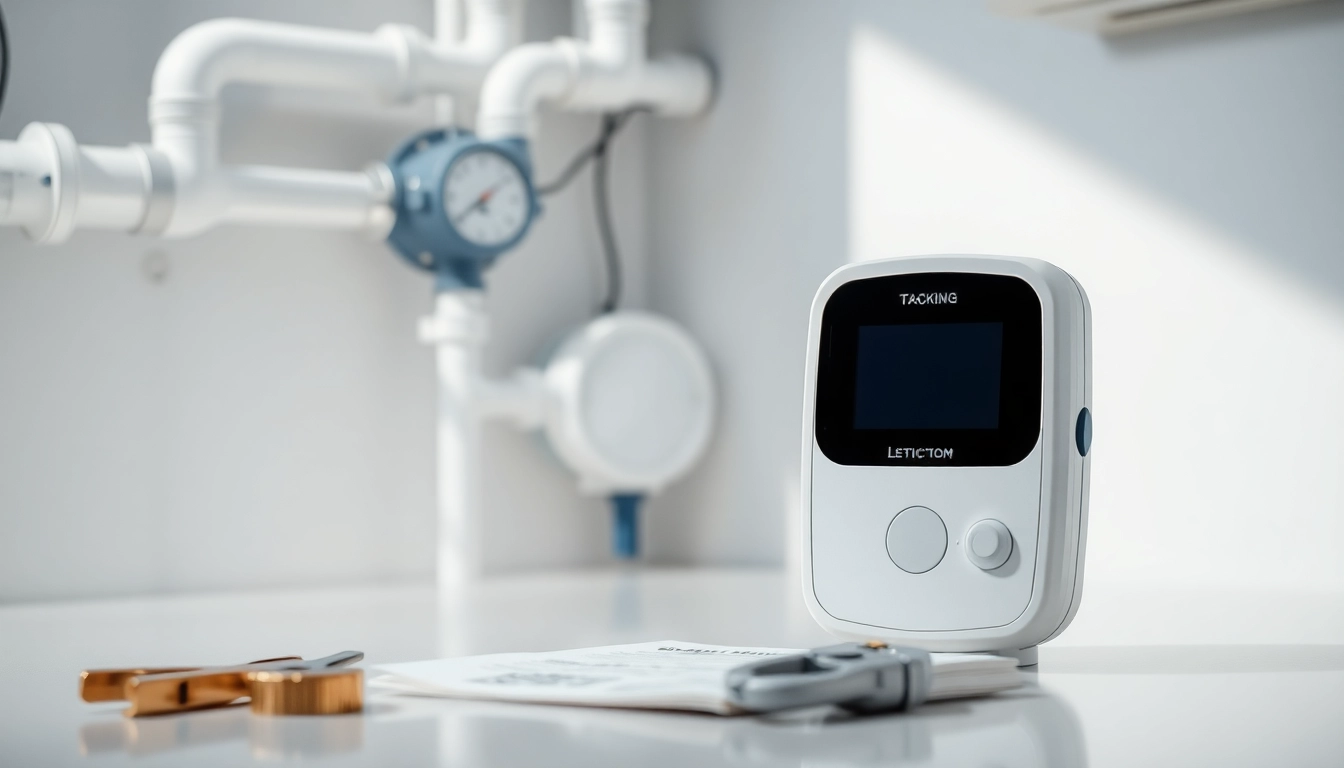
Understanding Water Leak Detection
What is Water Leak Detection?
Water leak detection refers to the process of identifying and locating leaks in plumbing systems, water supply lines, and other water distribution infrastructures. With a variety of methods and technologies available, water leak detection has become increasingly important for homeowners and businesses alike. It is essential for preventing water-related damage, maintaining structural integrity, and maximizing water conservation efforts.
Why is Water Leak Detection Important?
Leaks can cause significant damage if left undetected, leading to costly repairs, mold growth, and increased water bills. A proactive approach, including the use of water leak detection systems, can save property owners thousands of dollars. Additionally, frequent leaks can also compromise the structural integrity of your home, weaken foundations, and diminish property value.
Common Signs of Water Leaks in Homes
Identifying the symptoms of a water leak can often be the first step toward preventing severe damage. Here are some common signs to look out for:
- Unexplained increase in water bills
- Visible signs of mold or mildew
- Wet or damp spots on walls, ceilings, or floors
- Water pooling around the home’s foundation
- Unpleasant musty odors within the home
- Cracked or warped flooring
Types of Water Leak Detection Technologies
Traditional vs. Modern Leak Detection Methods
Traditional water leak detection methods typically involve visual inspections and listening for the sound of running water. While effective in some cases, these methods can often miss hidden or small leaks. Modern leak detection technologies, however, employ sophisticated tools such as acoustic sensors, infrared thermography, and moisture meters. These technologies can identify leaks that are not visible to the naked eye and provide precise locations for remediation.
Advancements in Smart Leak Detection Devices
Smart water leak detectors have gained tremendous popularity in recent years. These devices integrate with home automation systems and provide real-time alerts through smartphone applications. Many smart detectors utilize Wi-Fi or Bluetooth connectivity, allowing homeowners to receive immediate notifications if water is detected. Some advanced systems can even automatically shut off the water supply to prevent extensive damage.
How to Choose the Right Leak Detection System
Selecting the appropriate leak detection system depends on several factors, such as the size of your property, the specific areas you want to monitor, and your budget. Key features to consider include:
- Connectivity options (e.g., Wi-Fi, Zigbee)
- Power source (battery-operated vs. hardwired)
- Real-time notifications
- Compatibility with existing home automation systems
- Ease of installation and use
How to Install Water Leak Detection Systems
Step-by-Step Installation Guide
Installing a water leak detection system can be a straightforward process. Here’s a step-by-step guide:
- Select locations prone to leaks, such as under sinks, near toilets, or behind appliances.
- Ensure the area is dry and free of debris before installation.
- Follow the manufacturer’s instructions to mount the sensor or device.
- Connect the device to your home’s Wi-Fi network if applicable.
- Test the device to ensure it is functioning properly.
- Set up alerts on your smartphone or other devices as per the manufacturer's recommendations.
Best Practices for Placement of Sensors
Placement of leak detection sensors is crucial for maximizing their effectiveness. Here are best practices:
- Install sensors at the lowest points of a room where water can accumulate.
- Consider placing sensors in areas with plumbing connections and near water sources.
- Combine leak detectors with smart home systems for comprehensive coverage.
- Regularly inspect the placement and functionality of devices, especially after extreme weather conditions.
Common Installation Mistakes to Avoid
Avoid these common installation mistakes to ensure the effectiveness of your leak detection system:
- Neglecting to test the system after installation
- Placing sensors in areas without regular water access (e.g., rarely used guest bathrooms)
- Ignoring manufacturer guidelines for installation
- Overlooking battery life and power requirements when selecting sensors
Maintaining Your Water Leak Detection System
Regular Maintenance Tips
Maintaining your water leak detection system is essential for optimal performance. Here are some tips:
- Regularly check the batteries and replace them as needed.
- Test the alarm features frequently to ensure they are working properly.
- Inspect sensors for dust, debris, or obstruction which may hinder their functionality.
- Keep an eye on your smartphone or connected devices for software updates.
When to Replace Your Leak Detection Devices
Leak detection devices have a shelf life. You should consider replacing your devices when:
- The sensors become less responsive or fail to trigger alarms.
- They no longer connect to the internet or your smart devices.
- The warranty period expires, signaling potential aging of the unit.
Understanding Warranty and Guarantees
Before purchasing a leak detection device, it’s critical to scrutinize the warranty and guarantees provided by manufacturers. Desirable warranties can offer assurance that the product will be effective. Understand the terms, including the duration of coverage and what it entails should repairs or replacements become necessary.
Cost Considerations for Water Leak Detection
Initial Investment vs. Long-term Savings
The initial investment in a water leak detection system can vary significantly, typically ranging from affordable DIY units to sophisticated whole-house systems. While upfront costs may seem high, the long-term savings gained from preventing water damage and unnecessary repairs far outweigh these initial expenses.
Insurance Benefits of Water Leak Detection Systems
Many insurance companies offer discounts for homes equipped with leak detection systems. By investing in such technology, homeowners can potentially see reduced premiums on their homeowner's insurance. It’s advisable to consult with your insurance provider to understand the specific benefits and potential savings available for having a water leak detection system in place.
Evaluating Different Market Options
The market offers a wide range of water leak detection options, from basic products to advanced smart technologies. Evaluating different products requires careful consideration of:
- Features versus cost
- Consumer reviews and ratings
- The brand's reputation within the industry
- The level of customer support and return policy offered