Understanding the Basics of Event Videography
What is event videography?
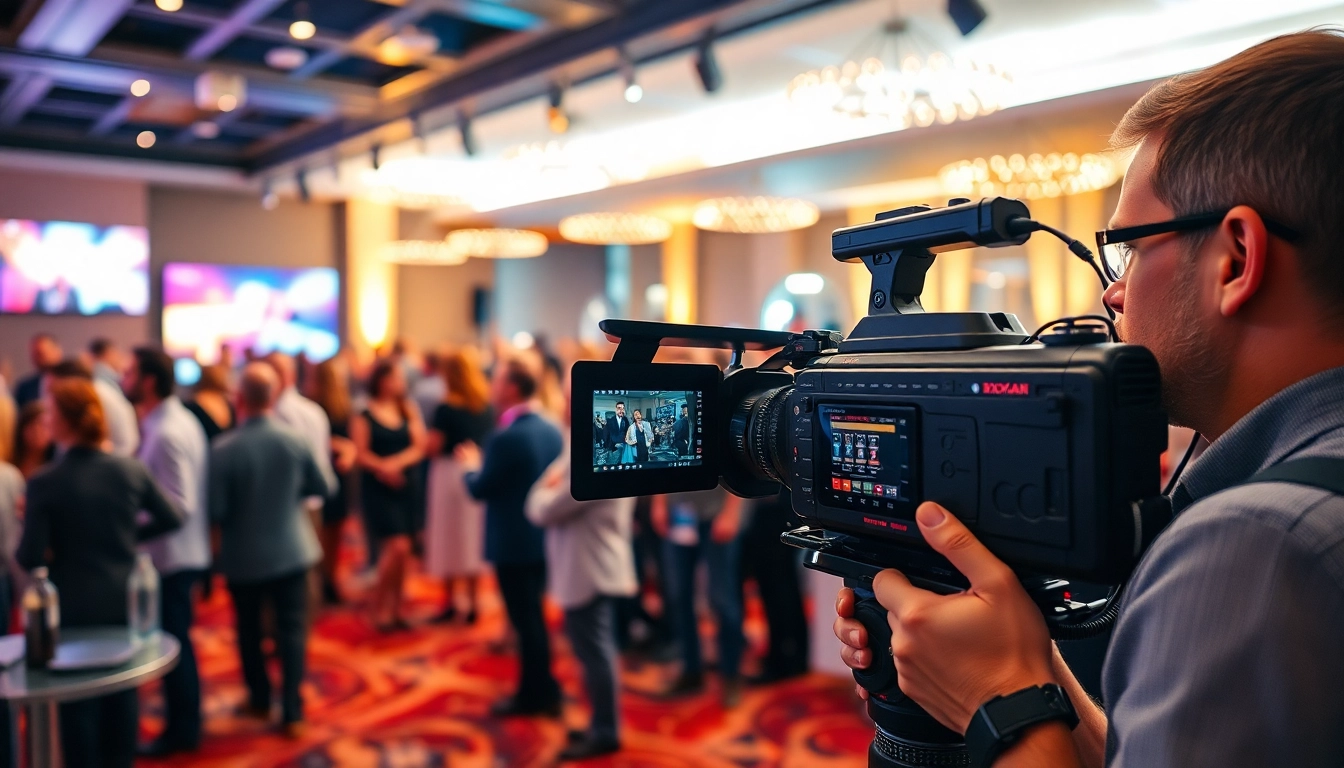
Event videography is the art and technique of capturing live events through video recording. It involves a professional videographer who skillfully documents everything from personal milestones like weddings and birthdays to corporate gatherings such as conferences and product launches. Unlike traditional photography, event videography encapsulates the dynamic aspects of an event, preserving not just visuals but sounds, emotions, and atmosphere. This multimedia format allows for storytelling that engages audiences on multiple sensory levels, making memories come alive long after the event's conclusion.
Why choose event videography for your occasions?
Choosing event videography offers numerous benefits beyond simple documentation. First and foremost, it captures the essence of the event, including spontaneous moments that photographs alone might miss. This is particularly valuable for significant milestones—such as weddings or anniversaries—where emotions run high. Moreover, video allows for the integration of important sounds—the exchange of vows, laughter among friends, and motivational speeches—creating a richer experience for viewers. Event videography can also be an effective marketing tool; quality videos can be shared across social media platforms to promote future events or brand identity.
Common types of events captured in videography
Event videography covers a broad spectrum of occasions. Some common types include:
- Weddings: Capture the emotional tapestry woven throughout the ceremony and reception.
- Corporate events: Document conferences, product launches, and corporate training sessions to share insights and foster company engagement.
- Social gatherings: From birthday parties to anniversary celebrations, these videos preserve cherished personal moments.
- Fundraisers and Galas: Highlight key speakers, entertainment, and donor engagement to promote future events.
- Live performances: Record concerts, theater productions, and dance recitals to create memorable keepsakes.
Key Elements of Successful Event Videography
Essential equipment for high-quality event videography
The success of event videography greatly relies on the equipment used by the videographer. Essential tools include:
- Cameras: Professional-grade cameras with high-resolution capabilities allow for quality footage in varying lighting conditions.
- Lenses: A range of lenses, including wide-angle and telephoto, enables a versatility in shot composition.
- Tripods and stabilizers: These tools help achieve steady shots, reducing unwanted shakiness during movement.
- Microphones: High-quality audio capture is crucial. Using lapel mics for speakers or shotgun mics for broader sound capture can uniquely enhance the viewing experience.
- Lighting equipment: Portable LED lights ensure participants are visible, adding warmth and depth to night events.
Techniques for capturing stunning footage
While having the right equipment is essential, employing effective techniques is what elevates the quality of event videography. Here are several key techniques:
- Storyboard your shots: Before the event, outline key moments to capture based on the event schedule and rituals.
- Use various angles: Varying your shots—wide, medium, and close-up—enhances visual interest and storytelling.
- Incorporate b-roll footage: This supplementary footage can offer context and depth to your narrative, showcasing venue decor or candid guest interactions.
- Interview attendees: Short interviews can add personal testimonials and enrich the narrative, providing a deeper connection to viewers.
- Manage your exposure: Learning to adjust settings for varying lighting conditions ensures consistent quality throughout the event.
Editing and post-production considerations
Editing is where the raw footage transforms into a polished product. Important considerations in editing include:
- Choose the right software: Tools like Adobe Premiere Pro or Final Cut Pro offer powerful features for professional-grade editing.
- Establish a narrative: Create a flowing story from the footage you captured, focusing on emotional beats and transitions.
- Color correction: Adjusting colors can enhance the visual appeal and create a cohesive look throughout the video.
- Incorporate music: Carefully selected background music can evoke specific emotions and set the tone for the video.
- Add graphics or titles: On-screen text can provide context, such as names of speakers or event titles, enhancing viewer understanding and engagement.
Planning Your Event Videography
Setting a budget for event videography
When planning for event videography, establishing a clear budget is essential. Factors to consider include:
- Videography fees: Research the average costs in your area, keeping in mind that rates can vary based on experience and package offerings.
- Equipment rentals: If you're hiring a videographer who uses specialized equipment, factor in potential rental costs.
- Editing fees: Some videographers may charge separately for editing services, influencing overall project costs.
- Travel expenses: If your event is located far from the videographer's base of operations, travel fees may apply.
- Contingency fund: Setting aside a small percentage of your budget can help cover unexpected expenses.
Selecting the right videography team
The right videography team can make a significant difference in the output quality and overall experience. Key factors to consider include:
- Reviews and testimonials: Look for recommendations, online reviews, and sample videos to gauge the quality and style of their work.
- Portfolio of past work: Evaluate their expertise in capturing the type of event you're hosting to ensure they align with your vision.
- Communication skills: Ensure that they understand your requirements, style preferences, and any specific moments you want captured.
- Professionalism: A team that conducts itself professionally will coordinate better and operate smoothly on the day of the event.
- Flexibility: Look for teams that can adapt to changing conditions or requirements on the fly, ensuring continuity.
Creating an effective event schedule
An effective event schedule allows videographers to plan strategically. Consider the following when crafting your timeline:
- Outline significant moments: Include when speeches, performances, and key ceremonies will occur to ensure coverage.
- Leave room for spontaneity: While scheduling is essential, ensure that some flexibility exists for unforeseen events or highlights.
- Coordinate with the production team: Share the schedule with your videography team to align expectations and set their arrival time.
- Communicate with other vendors: Coordinate with other teams—like photographers and event coordinators—to ensure seamless collaboration.
- Run through the timing: Before the event starts, conduct a walk-through to familiarize everyone involved with the schedule.
Engaging Your Audience Through Event Videography
How videography can enhance attendee experience
Event videography serves not only as a takeaway for attendees but also enriches their experience during the event. Here’s how:
- Real-time updates: Live video streams can connect off-site guests, ensuring everyone feels included.
- Highlight reels: Screening condensed highlight videos during the event can engage the audience and build excitement.
- Interactive elements: Incorporating social media elements, like live tweets or guest comments on video displays, fosters interaction.
- Personalized experiences: Allowing guests to record messages or experiences on video builds a deeper personal connection to the event.
- Immediate takeaways: Offering quick access to highlights or full videos can help attendees relive the experience immediately after the event.
Using videography for marketing and promotions
Effective event videography can significantly bolster marketing efforts. Consider these strategies:
- Create promotional videos: Develop pre-event trailers or teasers that excite potential attendees.
- Build a highlight package: Use captured footage to create promotional material for future events to showcase your brand’s vibrancy.
- Share through social media: Utilize snippets of your event videos across platforms to widen your audience reach.
- Email marketing: Include highlight videos in email newsletters to engage past and potential attendees.
- Website integration: Define a dedicated section on your website for event videos, enhancing visitor engagement when exploring your brand.
Showcasing highlights to boost future attendance
Highlight videos can be powerful tools for boosting future attendance and engagement. Here’s how:
- Embed highlights on landing pages: Make it easy for potential attendees to witness what your events entail, driving interest and registration.
- Create a consistent series: Build a library of highlight videos over consecutive events, creating a tradition that attendees look forward to being a part of.
- Feedback through surveys: Ask for attendee input on what they enjoyed most and use those insights to focus future videos on similar content.
- Utilize testimonials: Feature quotes or short clips from attendees sharing their experiences to add credibility and encourage newcomers.
- Increase visibility on social channels: Promote these highlight videos consistently, creating a buzz leading up to future events.
Measuring the Impact of Your Event Videography
Analyzing viewer engagement and response
To evaluate the impact of your event videography, focus on analyzing viewer engagement across various platforms. Methods include:
- Analytics tools: Utilize video hosting platforms that provide insights into viewer behavior, including watch times and drop-off rates.
- Social media metrics: Assess engagement rates on platforms like Facebook, Instagram, or YouTube to understand the reach and relevance of your content.
- Feedback surveys: Conduct surveys asking viewers about their preferences and what they enjoyed most, incorporating this feedback into future videography plans.
- Conversion tracking: If videos lead to registrations or purchases, track this activity to quantify their effectiveness in driving engagement.
- Audience demographics: Study who’s watching your videos to tailor future content more effectively, targeting specific viewer segments.
Performance metrics to evaluate success
Identifying specific performance metrics can help quantify the success of your videography efforts. Some benchmarks to consider are:
- View counts: Overall numbers give you a clear sense of reach and raw audience size attributable to your event video.
- Engagement rates: Likes, shares, and comments offer insight into how effectively your content resonates.
- Video completion rates: Monitoring how many viewers watched your video to completion can indicate captivating content.
- Lead generation: Measure the number of inquiries or sign-ups generated as a direct result of viewing your event video.
- Positive feedback metrics: Track any increase in registrations or attendance for future events, linking this data to previous videography efforts.
Feedback and continuous improvement strategies
Implementing a cycle of continuous improvement is vital for enhancing the effectiveness of your event videography. Strategies for improvement include:
- Consistent feedback loops: Regularly solicit feedback from clients, attendees, and your team to identify areas for improvement.
- Ongoing training: Encourage videographers to pursue professional development to stay current with emerging trends and technology.
- Regular equipment updates: Keep your gear up-to-date to ensure the highest quality of footage and functionality.
- Adaptation to audience preferences: Monitor changing viewer preferences and adjust content style accordingly to ensure relevance.
- Trial and error: Don’t be afraid to experiment with new approaches or techniques, integrating lessons learned into future projects.