Understanding Wall Boards and Their Benefits
Wall boards are increasingly recognized for their ability to transform spaces, provide insulation, and enhance aesthetic value in both residential and commercial settings. These versatile solutions offer a myriad of options that cater to various styles and purposes. Utilizing wall boards can not only improve the look of a room but also increase its functionality. Understanding what wall boards are, the types available, and their benefits is essential for any homeowner or business owner contemplating this upgrade.
What Are Wall Boards?
Wall boards are flat panels that are used to cover and adorn walls. They are typically made from various materials such as wood, plastic, or composite substances. Wall boards serve multiple purposes, offering both aesthetic appeal and practical functionality. They can be used for insulation, soundproofing, and decoration, making them a popular choice for many interior design projects.
Types of Wall Boards Available
There are several types of wall boards available on the market, each designed to meet different needs and preferences. Here are some of the most popular types:
- Wood Wall Boards: These are traditional wall coverings that provide a warm, natural finish to any space. They are available in various species, such as oak, pine, and cedar.
- MDF (Medium Density Fiberboard) Wall Boards: Cost-effective and lightweight, MDF wall boards are smooth, making them easy to paint and personalize.
- PVC Wall Boards: Water-resistant and easy to clean, PVC wall boards are perfect for areas like kitchens and bathrooms where moisture is a concern.
- Composite Wall Boards: Made from a combination of materials, these boards often mimic the appearance of wood or stone while providing the durability of synthetic materials.
- Acoustic Wall Panels: Specifically designed to absorb sound, these panels are ideal for creating quiet environments in offices, theaters, and homes.
Advantages of Using Wall Boards
Incorporating wall boards into your space presents numerous benefits, including:
- Enhanced Aesthetic Appeal: Wall boards can add character and style, allowing for creative designs and finishes that reflect personal taste.
- Improved Insulation: Many wall boards help with insulation, keeping spaces cooler in summer and warmer in winter.
- Sound Absorption: Particularly in acoustic wall panels, noise reduction can significantly improve comfort in high-traffic areas or quiet spaces.
- Ease of Installation: Many wall board options are designed for easy installation, making them suitable for DIY homeowners.
- Low Maintenance: Most wall boards require minimal care, allowing for long-lasting beauty without extensive upkeep.
Choosing the Right Wall Boards for Your Project
Selecting the right wall boards for your project can be a daunting task given the variety of options on the market. However, considering some critical factors can streamline your decision-making process.
Factors to Consider When Selecting Wall Boards
- Purpose: Determine what you want to achieve with your wall boards—are you enhancing aesthetics, providing insulation, or improving sound quality?
- Material: Evaluate the materials available, keeping in mind the room's function and the environmental conditions (like humidity).
- Installation Method: Consider whether you're comfortable with DIY installation or if you'd prefer hiring a professional.
- Cost: Establish a budget as prices can vary widely between different materials and brands.
- Style Compatibility: Choose wall boards that harmonize with your existing decor to ensure a cohesive look.
Cost Comparison of Various Wall Boards
Budgeting for wall boards is critical, as prices can range from inexpensive options like PVC to more luxurious wood products. Here’s a basic comparison:
- PVC Wall Boards: Typically priced between $1 and $3 per square foot, PVC is affordable and ideal for moisture-prone areas.
- MDF Wall Boards: Generally costing between $2 and $5 per square foot, MDF offers a balance between cost and aesthetics.
- Wood Wall Boards: High-quality wood options can range from $5 to $10 per square foot or more, depending on the type and finish.
- Acoustic Panels: Prices range widely based on performance and materials, generally falling between $3 and $15 per square foot.
DIY Installation vs. Professional Help
Deciding between DIY installation and hiring professionals depends on your skill level, time, and budget. DIY can save money, especially with simpler wall boards like MDF or PVC. However, for complicated installations, such as intricate wood wall paneling or acoustic treatments, hiring a professional may ensure better results and save you time and potential frustration.
Creative Ideas for Utilizing Wall Boards
With wall boards, the opportunities for creativity are endless. Here are several innovative ways to incorporate them into your spaces.
Feature Walls and Accents
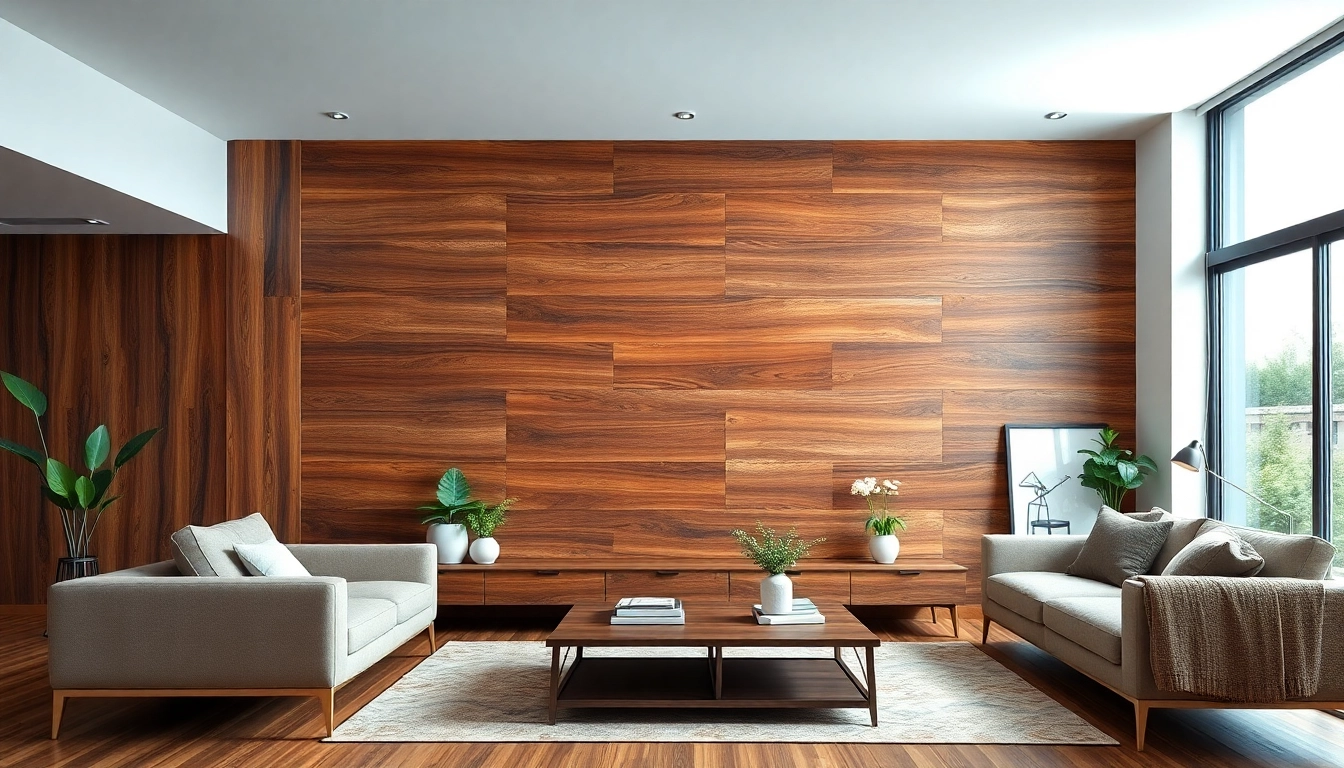
One of the most popular uses for wall boards is creating feature walls. This involves covering one wall (or part of a wall) with a striking material or design to draw attention. Using wood panels or colorful PVC can create a stunning visual impact.
Incorporating Wall Boards in Different Rooms
Different rooms benefit from different types of wall boards:
- Living Rooms: Wood or composite wall boards can create warm, inviting spaces.
- Bedrooms: Acoustic panels improve sound quality, enhancing restful sleep.
- Kitchens: PVC wall boards handle humidity and stains, making clean-up easy.
- Bathrooms: Moisture-resistant options are essential for durability.
Combining Wall Boards with Other Elements
Creatively mixing materials can amplify the visual appeal. Consider pairing wood wall boards with metal accents for a modern industrial look or using textured wall boards alongside traditional furnishings to create contrast.
Maintenance and Care for Wall Boards
To ensure your wall boards remain in excellent condition, maintenance is essential. Each material has specific care recommendations.
Cleaning Techniques for Different Materials
Cleaning processes vary by material:
- Wood: Wipe down with a cloth and mild cleaner to prevent water damage.
- MDF: Dust regularly and clean with a damp cloth to maintain its finish.
- PVC: Use a sponge and soapy water for easy cleaning, making it suitable for kitchens or bathrooms.
Protective Measures Against Wear and Tear
Applying protective coatings or varnishes to wood panels can prevent scratches and moisture damage. For fabric-covered wall boards, ensure regular vacuuming to keep them looking fresh.
Future-Proofing Your Wall Boards
When selecting wall boards, consider trends and durability. Choose timeless styles and colors that won't quickly go out of fashion and materials that can withstand wear and tear.
Frequently Asked Questions About Wall Boards
What are the most popular materials for wall boards?
The most popular materials include MDF, wood, PVC, and composite options, chosen for their aesthetics and functionality in different environments.
How do wall boards affect room acoustics?
Acoustic wall panels are specifically designed to absorb sound, improving a room's acoustics. Using these can reduce echo and noise pollution.
Can wall boards be painted or customized?
Many wall boards, especially MDF and wood, can be painted or stained, allowing for personalization to fit your decor needs.
What is the average lifespan of wall boards?
The lifespan of wall boards varies by material. Wood can last decades with care, while PVC boards often have a longer lifespan when used properly.
Are wall boards suitable for damp environments?
PVC and other water-resistant wall boards are ideal for damp environments like bathrooms or kitchens, aiding durability and maintenance.