Introduction to Custom Steel Fabrication
Definition and Importance of Custom Steel Fabrication
Custom steel fabrication refers to the process of designing and crafting steel structures or components tailored specifically to meet unique specifications or project requirements. This bespoke approach is pivotal in various sectors, including construction, manufacturing, and automotive industries. Unlike off-the-shelf solutions, custom solutions allow businesses to enhance efficiency, increase durability, and meet exact design aesthetics. Custom steel fabrication not only simplifies complex projects but also allows for innovative architectural designs that would be unachievable with standard components.
Key Processes in Custom Steel Fabrication
The primary processes involved in custom steel fabrication include cutting, bending, welding, and assembly. Each step is critical in ensuring that the final product is strong, reliable, and fit for purpose.
- Cutting: The initial phase where steel sheets and bars are precisely cut to the predefined dimensions. Techniques such as laser cutting and plasma cutting are commonly employed to achieve high accuracy.
- Bending: Involves shaping the steel through methods like hammering or press braking, allowing for the creation of diverse forms and angles, pivotal for structural integrity.
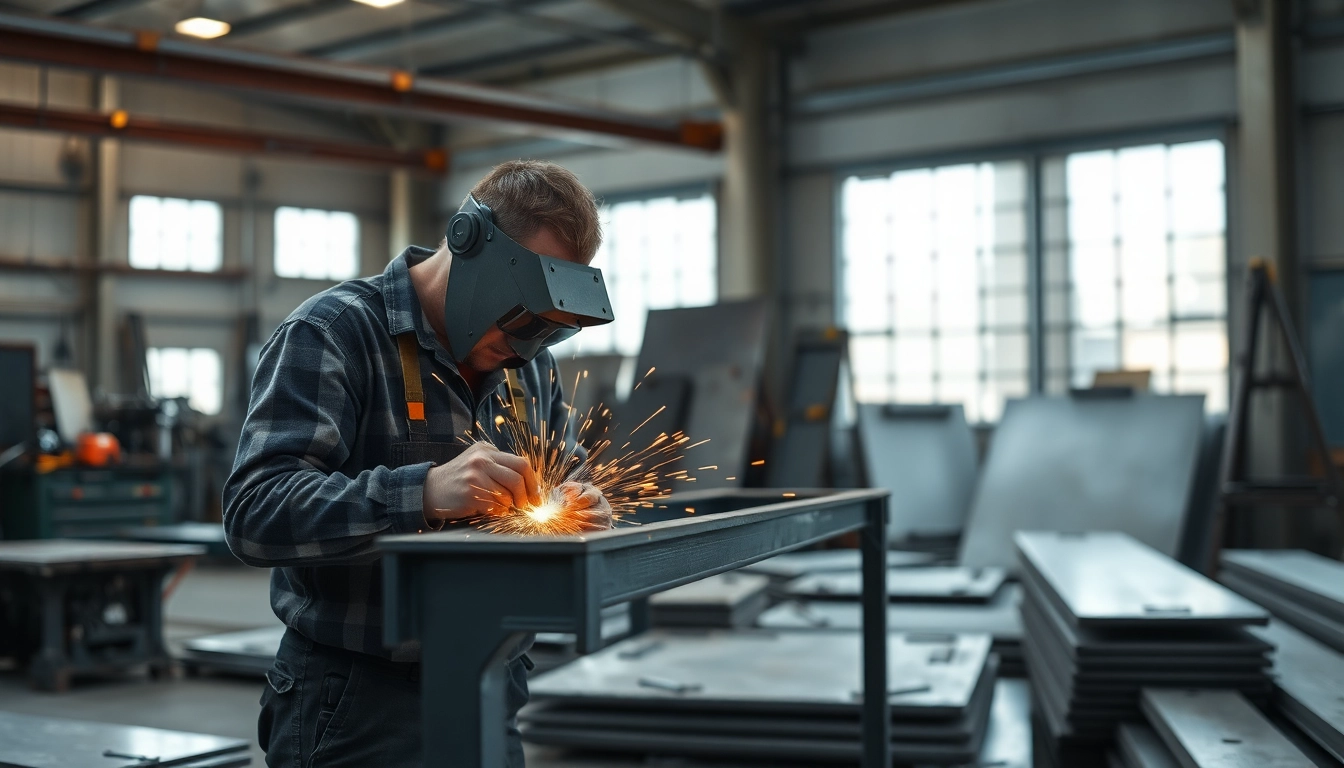
- Welding: A process ensuring the steel parts are securely joined, which may require different techniques depending on the materials and desired outcome.
- Assembly: The final step includes the integration of all components into a finished product, which may also undergo additional inspections or treatments for quality assurance.
Applications Across Industries
Custom steel fabrication plays a critical role across numerous industries. In construction, it's used for structural beams, handrails, and staircase components. The automotive sector benefits from custom fabrications for chassis and body parts, enhancing performance and safety. Other areas include:
- Aerospace: Crafting lightweight yet strong components optimized for flight efficiency.
- Oil & Gas: Building durable frames and tanks that withstand harsh environments.
- Manufacturing: Developing specialized machines and tools that facilitate production processes.
Essential Tools for Custom Steel Fabrication
Cutting Tools in Custom Steel Fabrication
The effectiveness of cutting tools determines the quality of the completed fabrication. A variety of cutting tools are employed, including:
- Band Saws: Perfect for non-ferrous and mild steel cuts due to their flexibility and precision.
- Punch Presses: Highly efficient for mass production, these tools offer quick and consistent cuts through steel sheets.
- Plasma Cutters: Adaptable for intricate designs, providing clean cuts with minimal slag.
Welding Equipment for Custom Steel Fabrication
Welding is a cornerstone of the custom steel fabrication process. The main types of welding equipment include:
- Arc Welders: Utilized for their versatility and effectiveness in joining different types of steel.
- MIG Welders: Ideal for thin materials, offering speed and ease of use.
- TIG Welders: Preferred for high-quality, clean welds on thin sections and stainless steel.
Safety Gear and Practices in Custom Steel Fabrication
Given the inherent risks associated with metal fabrication, proper safety gear and practices are a must. Essential protective equipment includes:
- Welding Helmets: Essential for protecting the face and eyes from sparks and harmful rays.
- Gloves: Providing hand protection against sharp edges and heat.
- Safety Boots: Steel-toed designs protect feet from heavy materials.
Moreover, implementing safety protocols such as regular equipment maintenance and safety training significantly reduces workplace accidents.
Techniques and Best Practices in Custom Steel Fabrication
Advanced Techniques in Custom Steel Fabrication
Integrating advanced techniques can significantly enhance the overall quality and efficiency of custom steel fabrication. Techniques include:
- 3D Modeling: Utilizing software for precise designs, ensuring all dimensions and tolerances are accounted for before fabrication begins.
- Robotic Welding: Increasing consistency and precision in welding tasks while improving productivity.
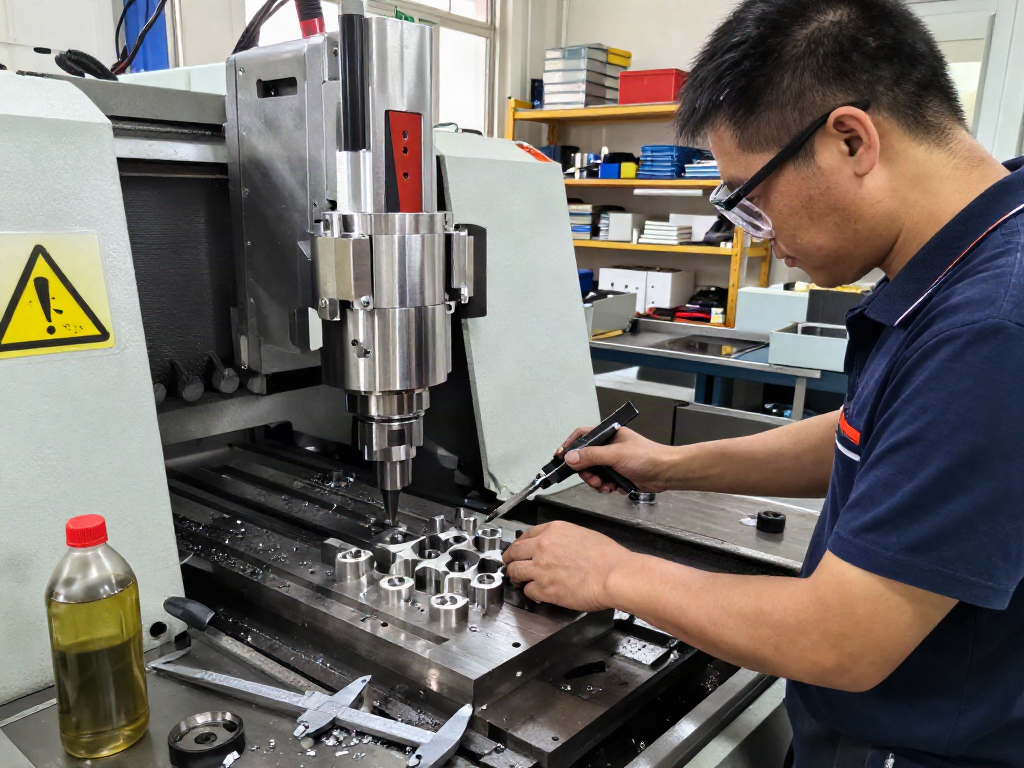
- Computer Numerical Control (CNC) Machining: Allows for automated control of machinery, providing high accuracy in cuts and fabrications.
Quality Control Measures in Custom Steel Fabrication
Ensuring high-quality outputs is essential in custom steel fabrication. Common quality control measures include:
- Regular Inspections: Scheduled checks throughout the fabrication process help catch and rectify potential errors early on.
- Testing of Materials: Conducting tests such as tensile strength or weld integrity to ensure adherence to industry standards.
- Documentation: Keeping detailed records of processes, inspections, and quality checks enhances accountability and provides insights for improvement.
Optimizing Workflow for Efficient Custom Steel Fabrication
An optimized workflow streamlines operations, enhances productivity, and reduces costs. Strategies for optimization include:
- Lean Manufacturing Principles: Minimizing waste and maximizing productivity through efficient layout planning and process management.
- Training Employees: Ensuring skilled workers who can handle multiple tasks and troubleshoot issues promptly.
- Implementing Just-in-Time Inventory: Keeping stock levels balanced to reduce storage costs while ensuring materials are available as needed.
Challenges in Custom Steel Fabrication
Common Issues Faced in Custom Steel Fabrication
Despite its advantages, custom steel fabrication comes with challenges such as:
- Material Management: Difficulty managing material supplies can lead to delays and increased project costs.
- Labor Shortages: Finding skilled labor can be a significant hurdle, particularly in regions experiencing rapid industrial growth.
- Technology Integration: Incorporating new technologies may require substantial investment and training.
Cost Management Strategies for Custom Steel Fabrication
Maintaining an efficient budget while achieving high-quality outputs can be challenging. Effective cost management strategies include:
- Project Budgeting: Develop detailed budgets that consider all aspects, including labor, materials, and overhead.
- Supplier Negotiation: Building strong relationships with suppliers can lead to better pricing on materials and timely deliveries.
- Regular Reviews: Conducting periodic assessments of project expenditures to identify areas for savings or efficiency improvements.
Technological Barriers in Custom Steel Fabrication
Adopting new technologies can sometimes pose barriers, including:
- High Initial Costs: State-of-the-art machinery and software can be expensive and may deter businesses from upgrading.
- Adaptation Risks: The complexity of new technologies can lead to operational disruptions if not managed correctly.
- Skill Gaps: Workers may require extensive training to effectively operate new technologies, which adds to costs and time.
The Future of Custom Steel Fabrication
Emerging Trends in Custom Steel Fabrication
The custom steel fabrication landscape is rapidly evolving with emerging trends such as:
- Increased Automation: Automation in fabrication processes, from cutting to welding, streamlines operations and reduces labor costs.
- Sustainability: A shift towards sustainable practices, including recycling scrap metal and utilizing energy-efficient machinery.
- Smart Technology: The integration of IoT devices allows for real-time monitoring of equipment and processes, enhancing decision-making capabilities.
Impact of Automation on Custom Steel Fabrication
Automation brings forth numerous benefits in custom steel fabrication, including:
- Enhanced Precision: Automated systems reduce human error, ensuring higher quality and consistency in outputs.
- Increased Speed: Automated processes can significantly expedite production times, allowing businesses to meet tighter deadlines.
- Lower Labor Costs: Reducing reliance on manual labor can lead to substantial cost savings, especially in high-volume production.
Environmental Considerations in Custom Steel Fabrication
As industries face increasing pressure to adopt sustainable practices, environmental considerations become paramount. Key focus areas include:
- Waste Reduction: Implementing recycling programs for scrap materials to minimize waste.
- Energy Efficiency: Investing in energy-efficient machinery and practices can lead to significant reductions in energy consumption.
- Regulatory Compliance: Staying updated with environmental regulations to ensure compliance and avoid potential penalties.