Understanding the Steel Fabrication Shop Process
Steel fabrication is a vital industry that underpins numerous sectors, from construction to manufacturing. By transforming raw steel into useful products and structures, a steel fabrication shop serves as a central hub for both simple and complex metalwork needs. Understanding the intricacies of this process can greatly enhance your ability to engage and work with these shops effectively.
What is Steel Fabrication?
Steel fabrication is the process of shaping raw steel into finished products, conforming to specific design specifications. This process includes various activities such as cutting, bending, welding, and assembling metal components. The primary aim is to create structural or functional components that meet the requirements of various industries.
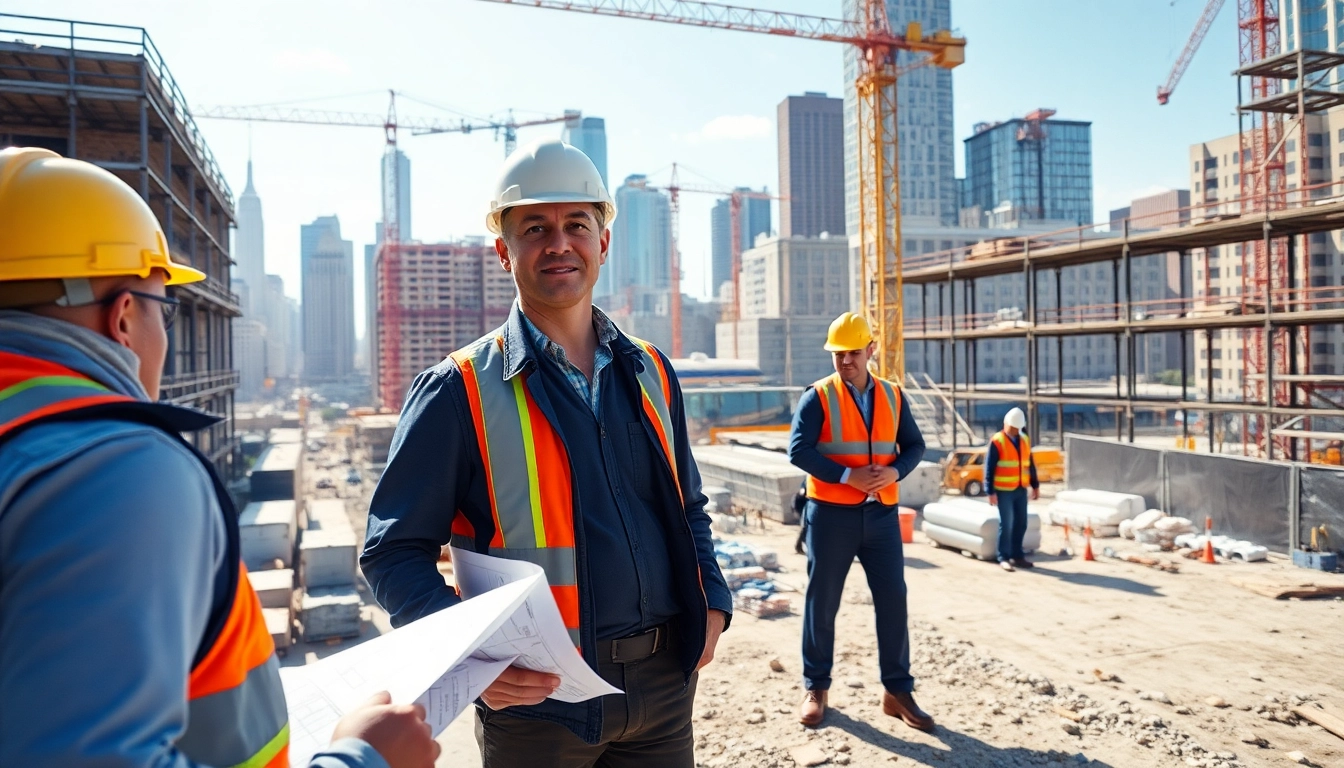
In modern manufacturing, the design and production of steel components rely heavily on precision and efficiency. The steel fabrication process often begins with detailed plans or blueprints, allowing fabricators to use advanced machinery and tools that ensure exact dimensions. This phase leads to a finished product that can be seamlessly integrated into larger projects, such as buildings, bridges, and machinery.
Key Services Offered in a Steel Fabrication Shop
Steel fabrication shops provide a range of services that can include:
- Custom Fabrication: Tailoring pieces to client specifications, which involves a thorough understanding of design and structural integrity.
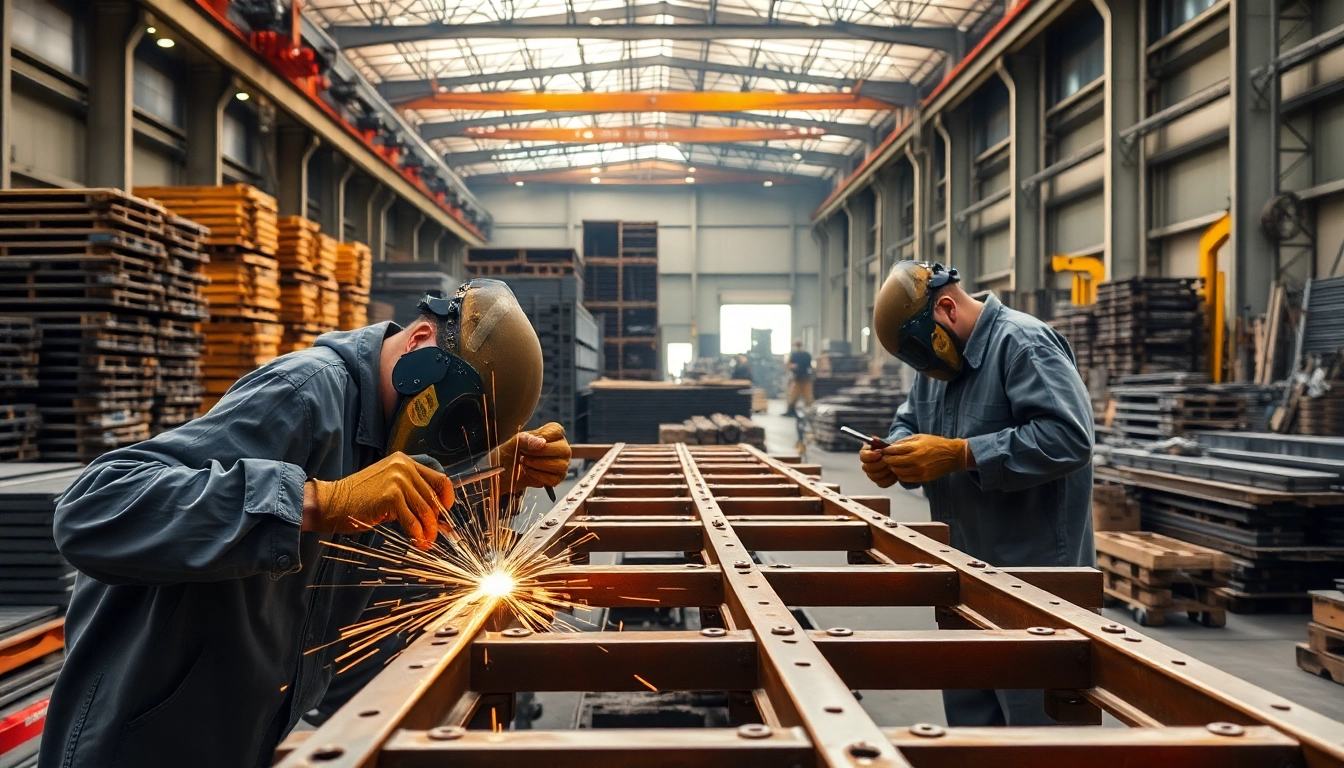
- Welding Services: Combining metal pieces using heat and pressure, which may involve various techniques such as MIG, TIG, and arc welding.
- Metal Cutting: Utilizing plasma cutters, lasers, or saws to achieve desirable dimensions.
- Assembly: Putting together parts to create finished components, ensuring that they meet design specifications.
- Surface Finishing: Treatment processes such as painting or galvanizing to enhance durability and appearance.
The Importance of Quality Control
Quality control is paramount in steel fabrication. It ensures that every piece meets stringent standards and specifications, preventing costly errors or structural failures down the line. A typical quality control process includes:
- Inspection: Regular checks during fabrication to ensure adherence to specifications.
- Testing: Conducting stress tests, weld tests, and dimension checks to verify integrity and performance.
- Documentation: Maintaining detailed records of inspections and tests as part of compliance with industry standards.
Choosing the Right Steel Fabrication Shop
Finding the right fabrication partner is crucial for project success. The decisions you make can influence your production quality, timelines, and costs. Here are some essential factors to consider:
Factors to Consider When Selecting a Fabrication Partner
Key factors to assess when selecting a fabrication shop include:
- Capabilities: Understanding the range of services offered by the shop and whether they align with your project needs.
- Technology: Ensuring they utilize modern technology and machinery that enhances precision and efficiency.
- Certifications: Verifying their adherence to industry standards and certifications, which reflect their commitment to quality and safety.
Evaluating Experience and Expertise
Experience in the industry can greatly influence a fabrication shop’s performance. Consider asking:
- How long have they been in business?
- What types of projects have they successfully completed?
- Do they have specialized expertise in specific industries?
Assessing Client Testimonials and Case Studies
Word-of-mouth referrals and client testimonials can provide insight into a fabrication shop's reliability and quality. Request case studies that highlight previous projects to understand how they manage timelines, budgets, and complex design challenges.
Technological Advancements in Steel Fabrication
The steel fabrication industry has seen tremendous technological advancements that enhance productivity and precision. Staying updated on these developments is vital for anyone looking to optimize their fabrication processes.
Innovative Tools and Machinery
Modern fabrication shops utilize a variety of sophisticated tools and machines:
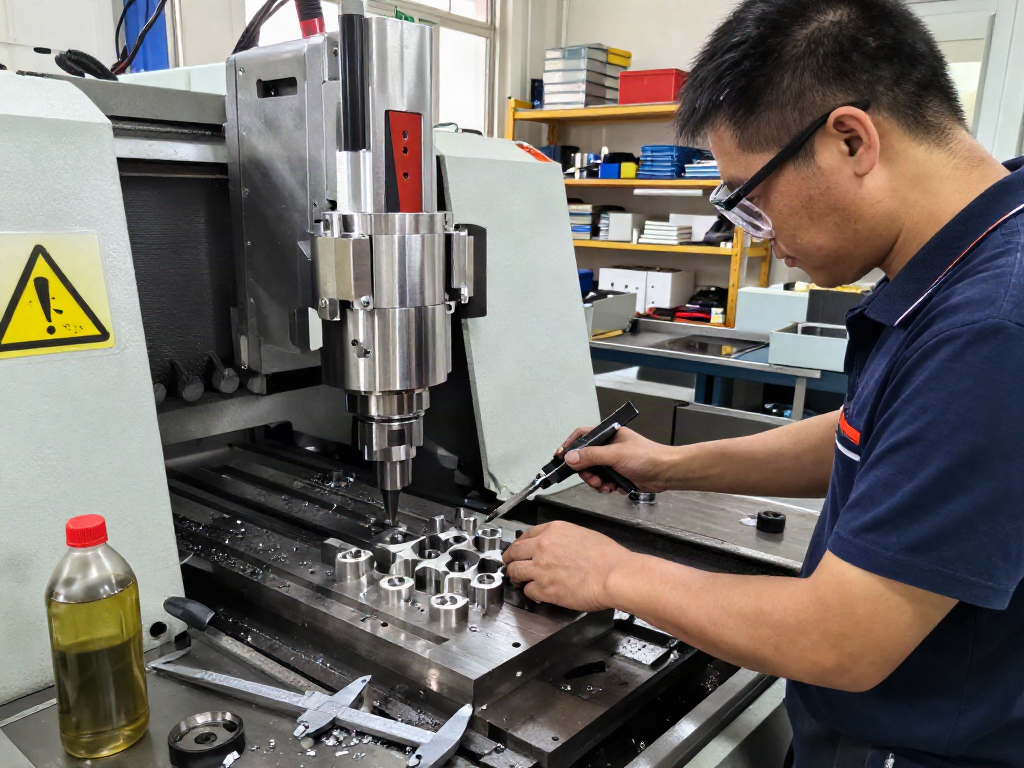
- CNC Machines: Computer Numerical Control machines allow for precise cutting and shaping of steel materials based on automated settings.
- 3D Printing: Emerging as a future trend, 3D printing enables fabrication of complex designs that traditional methods may not achieve easily.
- Robotic Welding: Enhances the speed and precision of welding processes by minimizing human error.
Automation and Its Impact on Production
Automation plays a pivotal role in streamlining operations within a steel fabrication shop. The benefits of automation include:
- Increased Efficiency: Automated systems can operate around the clock, boosting output rates.
- Cost Reduction: Reducing labor costs and minimizing errors associated with manual production.
- Enhanced Quality: Consistency in production and reduced variability lead to higher quality outputs.
Software Solutions for Enhanced Efficiency
Advanced software tools provide vital support in the steel fabrication process:
- Design Software: Applications for CAD (Computer-Aided Design) allow fabricators to create precise models before actual construction.
- Project Management Software: Tools that aid in scheduling and resource allocation to ensure on-time project delivery.
- Inventory Management Systems: These programs help track materials and components, assisting in minimizing waste and ensuring adequate supply levels.
Common Challenges Faced in Steel Fabrication
The steel fabrication process is not without its challenges. Being aware of these issues can help you navigate potential problems effectively.
Understanding Material Limitations
Different types of steel possess varying properties that may affect fabrication. Understanding these material limits is essential to avoid issues such as warping, cracking, and distorted components.
Addressing Design Complexities
As designs become more sophisticated, the challenges associated with them may grow. Collaborating closely with engineers and designers can help clarify requirements and develop feasible solutions.
Overcoming Time Constraints and Deadlines
Time is often a critical factor in production schedules. It’s essential to develop realistic timelines based on the complexity of each project, incorporating contingency plans for unexpected delays.
Future Trends in the Steel Fabrication Industry
Understanding where the industry is headed can provide valuable insights into investment and operational strategies. Here are some trends shaping the future of steel fabrication:
Sustainability Practices in Steel Fabrication Shops
The push for sustainability is influencing numerous industries, including steel fabrication. Key practices include:
- Recycling Materials: Many shops are adopting processes that allow the recycling of scrap materials.
- Energy Efficiency: Utilizing energy-efficient machinery and processes to reduce emissions and overall energy consumption.
- Green Certifications: Pursuing certifications that highlight a commitment to environmental stewardship.
The Role of Customization in Fabrication
Customization is becoming increasingly important, as clients demand products tailored to their specific needs. Fabrication shops are expanding their capabilities to offer bespoke solutions, allowing for innovation in design and functionality.
Emerging Markets for Steel Fabrication Services
Globalization and the rise of new industries in developing regions are creating new opportunities for steel fabricators. Expanding into these markets can position a fabrication shop favorably for future growth by establishing a footprint in emerging areas of demand.