
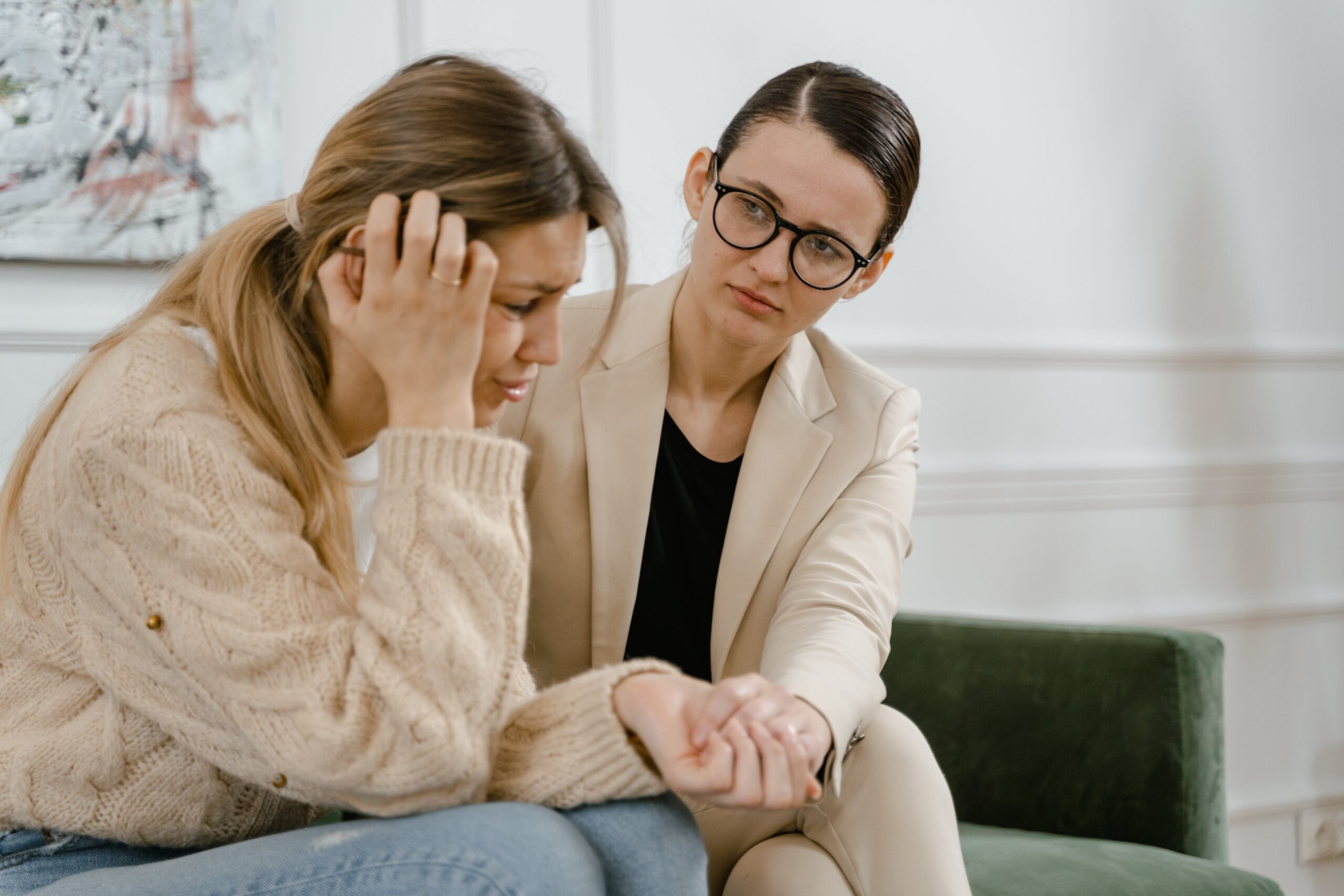
Stress and anxiety are prevalent mental health concerns affecting millions of individuals worldwide. While occasional stress and mild anxiety are normal reactions to life challenges, chronic or intense experiences can significantly impact emotional, physical, and mental wellbeing. Understanding the symptoms of Stress and anxiety, along with effective coping tools, is essential for maintaining balance and promoting resilience. At Calm Minds Hub, we provide evidence-based insights and practical strategies to help individuals identify, manage, and alleviate these experiences in their daily lives.
Understanding Stress and Anxiety
Stress and anxiety, although closely related, have distinct characteristics. Stress typically arises in response to external pressures, while anxiety can occur even in the absence of immediate threats. Recognizing the differences and how they manifest allows individuals to implement appropriate coping strategies.
What is Stress?
Stress is the body’s natural response to a challenge or demand. It triggers physiological changes such as increased heart rate, elevated cortisol levels, and heightened alertness. Short-term stress can enhance focus and performance, but prolonged stress may lead to burnout, irritability, and health complications.
What is Anxiety?
Anxiety is characterized by persistent worry, fear, or apprehension. Unlike stress, which usually has a specific trigger, anxiety can be generalized and ongoing. Chronic anxiety may interfere with daily functioning, relationships, and overall quality of life. Understanding anxiety as a psychological and physiological response is crucial for managing its effects.
How Stress and Anxiety Interact
Stress and anxiety often co-occur, creating a cycle where stress triggers anxiety, and anxiety amplifies stress responses. Identifying early symptoms and implementing coping tools helps break this cycle and prevent escalation.
Physical Symptoms of Stress and Anxiety
Stress and anxiety frequently manifest through physical symptoms, which are often the first indicators of emotional distress. Recognizing these signs allows for timely intervention and management.
Cardiovascular Symptoms
Stress and anxiety can affect heart function, leading to palpitations, elevated blood pressure, or chest discomfort. Persistent activation of the stress response may increase the risk of cardiovascular diseases over time.
Musculoskeletal Symptoms
Muscle tension, headaches, jaw clenching, and back pain are common physical manifestations of stress and anxiety. Regular relaxation exercises and posture awareness can help alleviate these discomforts.
Gastrointestinal Symptoms
Digestive issues such as nausea, diarrhea, constipation, or abdominal discomfort often accompany stress and anxiety. The gut-brain connection highlights how emotional distress directly impacts gastrointestinal health.
Sleep Disturbances
Insomnia, difficulty falling asleep, or restless sleep are frequent consequences of stress and anxiety. Poor sleep further exacerbates emotional reactivity, creating a cycle that intensifies symptoms.
Fatigue and Weakness
Chronic stress and anxiety can lead to physical exhaustion and decreased energy levels. Individuals may feel drained, unmotivated, or unable to perform routine tasks efficiently.
Emotional Symptoms of Stress and Anxiety
Emotional responses provide insight into an individual’s psychological state and often precede more severe symptoms. Identifying emotional patterns can guide the use of coping tools and interventions.
Persistent Worry
Individuals experiencing stress and anxiety may find themselves ruminating over potential outcomes, feeling overwhelmed by “what if” scenarios. Persistent worry can impair concentration and decision-making.
Irritability and Mood Swings
Frequent irritability, anger, or rapid mood changes are common emotional manifestations. Recognizing these patterns is essential for managing interpersonal relationships and maintaining emotional stability.
Feelings of Overwhelm
Stress and anxiety often result in feelings of being unable to cope or manage responsibilities. This sense of overwhelm can contribute to further emotional distress and reduced productivity.
Emotional Numbness
Some individuals may experience emotional detachment or numbness as a response to chronic stress and anxiety. This coping mechanism temporarily reduces discomfort but may hinder emotional processing and connection with others.
Cognitive Symptoms of Stress and Anxiety
Cognitive effects impact thinking patterns, memory, and attention. Stress and anxiety can disrupt mental clarity and decision-making abilities.
Difficulty Concentrating
High levels of stress and anxiety often impair focus and attention, making it challenging to complete tasks or retain information effectively.
Negative Thinking Patterns
Individuals may engage in catastrophizing, assuming the worst-case scenario, or overgeneralizing events. Cognitive distortions amplify emotional distress and perpetuate anxiety cycles.
Memory Impairment
Stress hormones, particularly cortisol, affect brain regions involved in memory formation and retrieval. This can result in forgetfulness or difficulty recalling essential information.
Indecisiveness
Anxiety can create hesitation and uncertainty, leading to prolonged decision-making and avoidance of choices. This cognitive symptom often increases stress levels further.

Behavioral Symptoms of Stress and Anxiety
Stress and anxiety influence behavior, often in ways that serve as temporary relief but may be harmful long-term. Awareness of behavioral patterns allows for constructive interventions.
Avoidance Behavior
Avoiding stressful situations or social interactions is a common response to anxiety. While avoidance temporarily reduces discomfort, it reinforces fear and limits personal growth.
Overeating or Loss of Appetite
Changes in eating habits, including emotional eating or reduced appetite, are frequent behavioral symptoms. Monitoring nutrition and establishing balanced meal routines can mitigate these effects.
Substance Use
Increased reliance on alcohol, caffeine, or other substances is a coping mechanism for stress and anxiety. These behaviors may provide short-term relief but can exacerbate emotional and physical health problems over time.
Procrastination
Chronic stress and anxiety may lead to procrastination, as individuals struggle to manage tasks under perceived pressure. Addressing time management and prioritization skills can reduce this behavioral symptom.
Coping Tools for Stress and Anxiety
Implementing practical coping tools is essential for managing stress and anxiety effectively. Evidence-based strategies address both the mind and body, promoting resilience and emotional balance.
Mindfulness and Meditation Practices
Mindfulness encourages awareness of the present moment without judgment. Meditation techniques, including guided visualization and focused breathing, reduce cortisol levels and enhance emotional regulation.
Breathing and Relaxation Exercises
Deep breathing, diaphragmatic breathing, and progressive muscle relaxation help calm the nervous system and reduce physiological arousal associated with stress and anxiety.
Physical Exercise
Engaging in regular physical activity releases endorphins, reduces stress hormone levels, and improves mood. Activities such as yoga, walking, running, or strength training support both mental and physical wellbeing.
Cognitive Behavioral Strategies
Cognitive Behavioral Therapy (CBT) techniques, including reframing negative thoughts, challenging cognitive distortions, and using problem-solving skills, empower individuals to manage anxiety and stress effectively.
Journaling and Emotional Expression
Writing about thoughts and feelings provides an outlet for processing stress and anxiety. Journaling helps identify triggers, patterns, and progress, enhancing self-awareness and emotional control.
Social Support Networks
Connecting with supportive friends, family, or peer groups provides emotional reassurance and perspective. Sharing experiences and seeking guidance reduces feelings of isolation and enhances coping capacity.
Structured Routine and Self-Care
Maintaining a structured daily routine, including regular sleep, balanced meals, and leisure activities, strengthens resilience and prevents chronic stress accumulation. Self-care practices, such as relaxation, hobbies, and mindfulness, are essential for long-term wellbeing.
Preventive Approaches for Long-Term Management
Beyond immediate coping, preventive strategies reduce vulnerability to stress and anxiety and promote sustained emotional health.
Developing Resilience
Building resilience involves cultivating adaptability, self-awareness, problem-solving abilities, and a positive outlook. Resilient individuals manage stress and anxiety more effectively and recover from setbacks with greater ease.
Healthy Lifestyle Choices
Nutrition, exercise, sleep hygiene, and moderation of stimulants and alcohol are fundamental preventive measures. Healthy habits support brain and body function, enhancing stress tolerance.
Time Management and Boundaries
Prioritizing tasks, delegating responsibilities, and setting personal and professional boundaries prevent chronic stress overload. Effective time management reduces anxiety by creating a sense of control.
Exposure to Nature
Spending time outdoors and connecting with nature has been shown to lower cortisol levels, reduce anxiety, and improve mood. Integrating natural environments into daily routines can serve as a preventive strategy.
Seeking Professional Help
Persistent or severe stress and anxiety may require professional intervention. Therapists, counselors, or medical professionals provide evidence-based treatment tailored to individual needs.
Indications for Professional Support
Signs that professional support is needed include frequent panic attacks, inability to manage daily responsibilities, prolonged insomnia, and significant emotional distress. Early intervention enhances outcomes and prevents complications.
Therapeutic Approaches
Therapies such as CBT, Acceptance and Commitment Therapy (ACT), and exposure therapy have demonstrated effectiveness in reducing stress and anxiety. Professional guidance ensures structured, evidence-based management and ongoing support.
Medication Considerations
In some cases, medication may be recommended as part of a comprehensive treatment plan. Antidepressants, anti-anxiety medications, or other prescribed interventions help stabilize symptoms while therapeutic strategies are implemented.
Integrating Coping Tools into Daily Life
Consistent application of coping tools enhances long-term emotional wellbeing and reduces the recurrence of stress and anxiety symptoms.
Morning and Evening Rituals
Beginning and ending the day with mindfulness, meditation, or reflection establishes a sense of control and calm. Morning routines set a positive tone, while evening routines promote restorative sleep.
Scheduled Breaks and Downtime
Incorporating breaks during work or study prevents cognitive overload and allows for mental reset. Leisure activities, hobbies, and relaxation periods contribute to emotional stability.
Mindful Technology Use
Limiting exposure to stress-inducing digital content and establishing healthy screen habits reduces cognitive overload and promotes calm.
Continuous Self-Monitoring
Regularly assessing stress and anxiety levels, triggers, and coping effectiveness allows for timely adjustments and ensures sustained progress.
Conclusion
Recognizing the symptoms of stress and anxiety and implementing evidence-based coping tools is essential for maintaining mental and emotional health. By addressing physical, emotional, cognitive, and behavioral manifestations, individuals can enhance resilience, improve daily functioning, and foster a calmer, balanced life. Consistent application of mindfulness, relaxation techniques, exercise, cognitive strategies, and professional support creates a comprehensive approach to stress and anxiety management, empowering individuals to navigate life’s challenges with confidence and composure. We’ve designed our homepage to help you find what you need faster.
FAQs
What are the key symptoms of stress and anxiety?
Stress and anxiety manifest in physical, emotional, cognitive, and behavioral symptoms. Physical signs include headaches, muscle tension, fatigue, and sleep disturbances. Emotional responses involve irritability, persistent worry, and mood swings. Cognitive effects include negative thinking patterns, memory difficulties, and indecisiveness. Behavioral changes may include avoidance, altered eating habits, or substance use.
Which coping tools are most effective for managing stress and anxiety?
Effective coping tools include mindfulness and meditation, deep breathing and relaxation exercises, regular physical activity, cognitive behavioral strategies, journaling, and social support networks. Integrating these techniques consistently into daily routines improves emotional regulation and resilience.
When should someone seek professional help for stress and anxiety?
Professional help is recommended if stress and anxiety are persistent, interfere with daily functioning, or result in severe emotional or physical symptoms, such as panic attacks, chronic insomnia, or emotional numbness. Mental health professionals can provide therapy, structured interventions, and, if necessary, medication to effectively manage these conditions.