1. Introduction to Sacramento Wineries
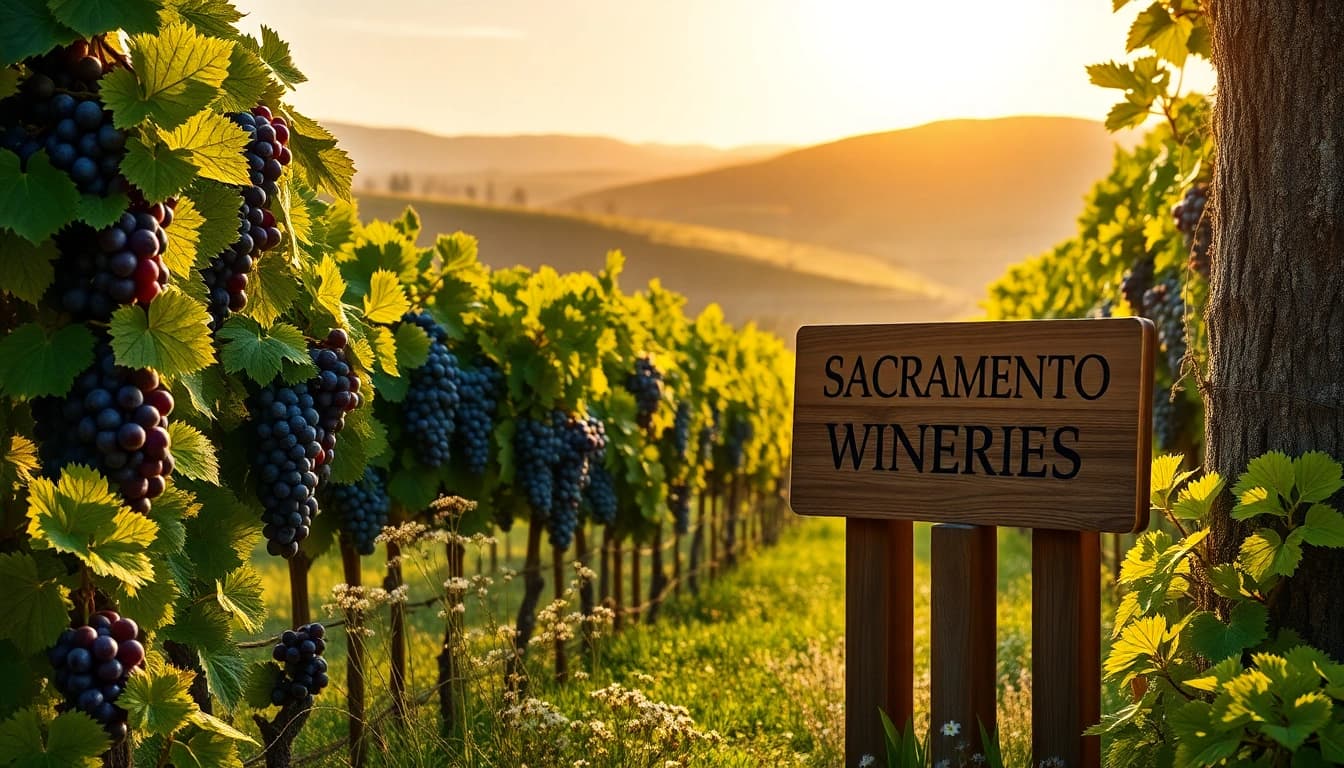
The Sacramento region, often overshadowed by its more prominent counterparts like Napa and Sonoma, is a hidden gem in the world of wine. With its rich history, diverse wine varietals, and picturesque vineyards, Sacramento Wineries are gaining recognition for producing exceptional wines that showcase the unique characteristics of the region. As wine enthusiasts seek out new experiences, this area has become increasingly popular, offering a blend of tradition and innovation that appeals to novices and connoisseurs alike.
1.1 Overview of the Sacramento Wine Region
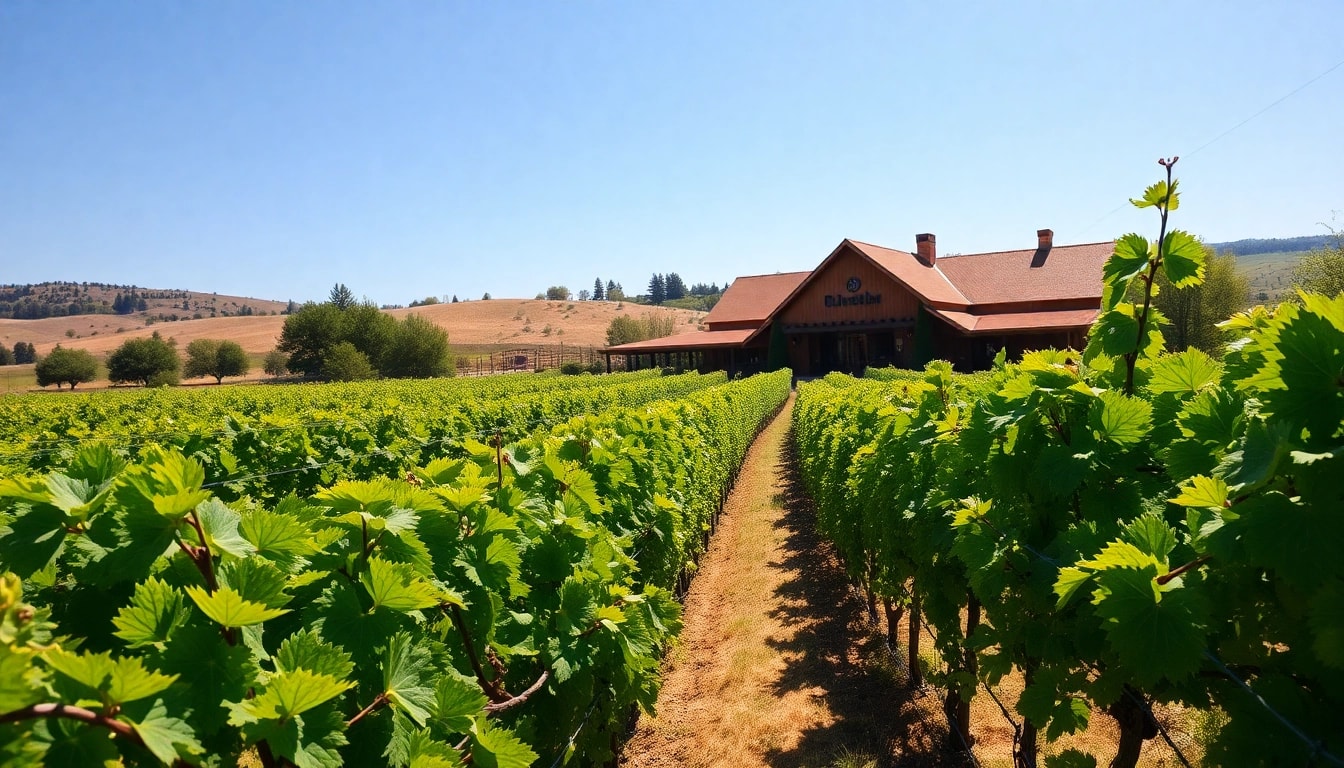
The Sacramento wine region encompasses not only the city of Sacramento but also its surrounding areas, including El Dorado County, Amador County, and Yolo County. As part of the larger Central Valley, Sacramento benefits from a unique geographical location that allows for a variety of microclimates, enabling the growth of several grape varieties. The region boasts over 200 wineries and vineyards, each contributing to the area's rich tapestry of wine styles and flavors. From small family-owned operations to larger commercial wineries, the Sacramento region is home to a diverse array of producers that reflect the history and culture of California winemaking.
1.2 The Climate and Terroir of Sacramento
The climate of Sacramento is characterized by hot, dry summers and mild, wet winters, which greatly influence the growing conditions for grapes. The region enjoys long hours of sunlight, allowing the grapes to ripen fully and develop concentrated flavors. The surrounding Sierra Nevada foothills also play a crucial role in the terroir by creating a diverse landscape of soils, which range from sandy loam to rocky terrain. This variety fosters the cultivation of various grape species, providing wine lovers with an extensive selection to explore. The Sacramento Valley's terroir is particularly well-suited for varietals like Chardonnay, Zinfandel, and Cabernet Sauvignon, each reflecting the nuanced characteristics imparted by the local environment.
1.3 Historical Significance of Wineries in the Area
The history of winemaking in Sacramento dates back to the mid-19th century when early settlers began to plant vineyards to complement their agricultural pursuits. During the California Gold Rush, the region saw an influx of immigrants who brought with them their winemaking traditions, contributing to the growth of local vineyards. Over the years, Sacramento has cultivated a rich winemaking heritage, culminating in its designation as an American Viticultural Area (AVA) in 1981, which recognized the distinct attributes of its wine production. Today, the area's history is celebrated through numerous events, festivals, and local wineries that pay homage to their roots while embracing contemporary winemaking techniques.
2. Notable Wineries in Sacramento
2.1 Top-Rated Wineries to Visit
Visitors to the Sacramento region will find a plethora of wineries offering tastings, tours, and unique experiences. Some of the top-rated wineries include:
- Harvest Ridge Winery – Known for its stunning panoramic views and a diverse selection of wines, Harvest Ridge offers a welcoming atmosphere for both experienced wine lovers and newcomers.
- Revelry Vineyards – Famous for its high-quality red blends, this winery provides an intimate setting for tastings, allowing visitors to learn directly from knowledgeable staff about the winemaking process.
- Vina Castellano – Combining traditional techniques with innovative practices, this winery focuses on sustainable agriculture and produces limited-edition wines that are both unique and flavorful.
- Old Sugar Mill – A former sugar processing plant, the Old Sugar Mill now houses multiple wineries under one roof, offering visitors a diverse experience through various tastings in a historic environment.
2.2 Unique Features and Offerings of Local Wineries
Each winery in the Sacramento region offers its own distinctive features, which enhance the visitors' experiences. For instance, some wineries provide guided tours that delve into their rich history, while others focus on experiential tastings, including food pairings from local chefs. Additionally, several wineries host seasonal events, such as grape stomping during harvest time or outdoor concerts, creating an inviting atmosphere for guests to enjoy wine alongside entertainment. The emphasis on community engagement and local collaboration makes Sacramento wineries a vibrant part of the local culture.
2.3 Wineries with Sustainable Practices
As the importance of sustainable practices in winemaking grows, several Sacramento wineries are at the forefront of this movement. Wineries like Vina Castellano and Elk Grove Winery employ organic farming techniques, minimizing their environmental impact while crafting wines that express the terroir's true character. These wineries are committed to reducing carbon footprints and promoting biodiversity within their vineyards. Visitors interested in sustainable wine practices can take part in guided tours that highlight these efforts, educating them on how to support eco-friendly choices in their wine consumption.
3. Wine Varietals Produced in Sacramento
3.1 Popular Grape Varieties Grown Here
The Sacramento region is notable for its diverse array of grape varietals. Popular choices include:
- Chardonnay – This versatile white grape variety thrives in Sacramento's climate, resulting in crisp and fruity wines that appeal to many palates.
- Zinfandel – Often referred to as California’s signature grape, Zinfandel from Sacramento showcases bold, jammy flavors complemented by peppery undertones.
- Cabernet Sauvignon – Renowned for its rich tannins and deep flavors, Cabernet Sauvignon produced in this region exhibits a distinct profile influenced by the local terroir.
- Sauvignon Blanc – Known for its vibrant acidity and aromatic qualities, this varietal can be found in many local vineyards, often described as refreshing and bright.
3.2 Signature Wines of Sacramento Wineries
Throughout the Sacramento region, wineries are proud to offer signature wines that reflect the area’s unique characteristics. For example, the Harvest Ridge Chardonnay is celebrated for its well-rounded flavor profile, marked by notes of green apple and pear complemented by a refreshing minerality. Similarly, Sacramento’s Zinfandel is gaining accolades for its vibrant fruit structure, often highlighting dark berry flavors with hints of spice. These signature wines represent the best of what the Sacramento region has to offer, allowing consumers to experience the genuine essence of local winemaking.
3.3 Food Pairings for Sacramento Wines
Pairing food with wine enhances the enjoyment of both. Sacramento wines can be paired beautifully with various cuisines, thanks to their diverse flavor profiles. For those enjoying a glass of Chardonnay, consider serving it with grilled seafood or light pasta dishes, as its acidity complements these flavors well. Conversely, Zinfandel pairs excellently with barbecued meats or hearty pasta dishes, providing a charming contrast of flavors. Cabernet Sauvignon demands robust food choices, such as red meats or rich sauces, while a crisp Sauvignon Blanc stands up nicely against fresh salads or light seafood dishes. By understanding the intricate connections between wine and food, visitors can elevate their tasting experiences while supporting local producers.
4. Wine Tours and Tastings Experience
4.1 Planning a Wine Tour in Sacramento
Planning a wine tour can be an exciting but daunting task. To get the most out of your experience in the Sacramento region, start by researching the various wineries and their offerings. Consider what types of wines you are most interested in and create an itinerary that includes a mix of large and small producers to gain a comprehensive understanding of the region. Additionally, check for any special events or tastings scheduled at the wineries during your visit, as many host unique experiences that can enhance your journey. Finally, consider transportation options; hiring a designated driver or joining an organized tour can ensure a safe and enjoyable experience.
4.2 What to Expect During Wine Tastings
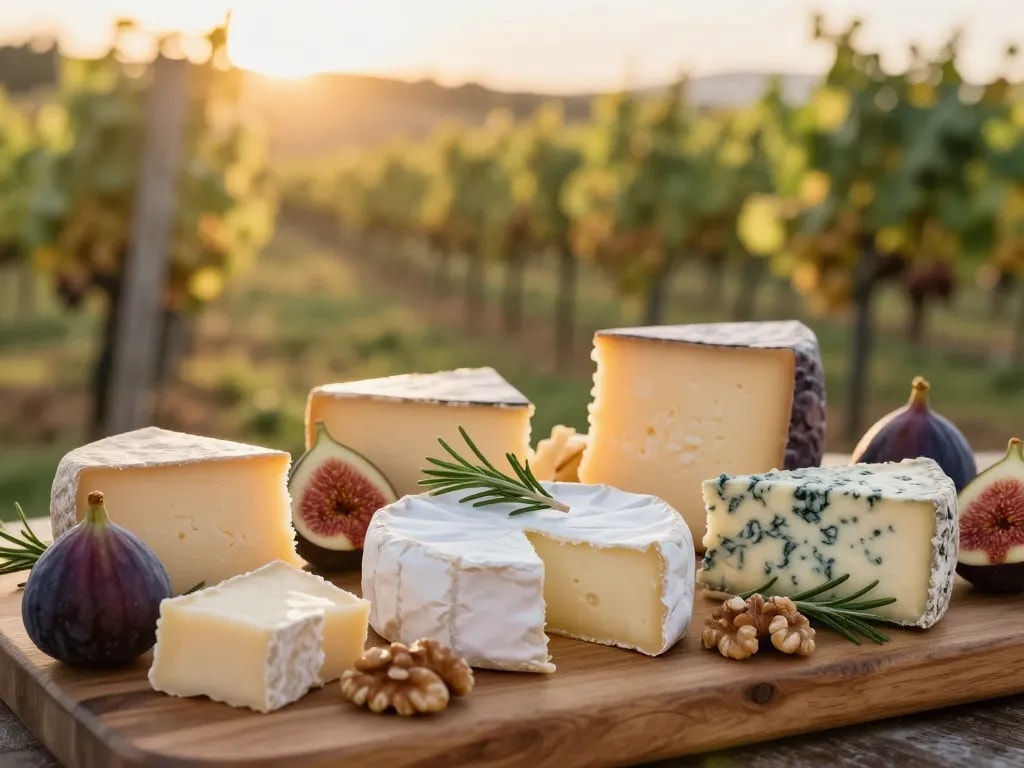
During a wine tasting, visitors typically sample a selection of wines crafted on-site, allowing them to appreciate the various flavors and styles unique to each winery. Tastings usually involve a guided experience where knowledgeable staff members share insights about the wines, their production methods, and the history of the winery itself. Guests are encouraged to engage in discussions about the wines, ask questions, and even participate in blending exercises at some locations. Tastings often feature accompaniments, such as cheese or charcuterie boards, to enhance the experience. Most importantly, it’s an opportunity to relax, savor, and enjoy the company of friends while discovering the rich contributions that Sacramento wineries make to the world of wine.
4.3 Tips for Maximizing Your Winery Visits
To ensure a memorable winery experience, consider the following tips:
- Hydrate: Stay hydrated throughout the day, as wine tastings can be deceivingly intoxicating.
- Take Notes: Bring a notebook to jot down impressions of different wines, making it easier to remember what you enjoyed later.
- Ask Questions: Engage with the staff by asking about their favorite wines or recommending food pairings to enrich your tasting experience.
- Pace Yourself: Taste mindfully, and avoid rushing through the offerings to appreciate each wine fully.
5. The Future of Sacramento Wineries
5.1 Trends in Viticulture and Winemaking
The future of Sacramento wineries is bright, with several emerging trends shaping the landscape. Sustainable viticulture is at the forefront, with wineries increasingly adopting organic farming and biodynamic practices to produce wines that are not only high-quality but also environmentally friendly. Additionally, there is a growing interest in craft winemaking, as smaller producers experiment with innovative techniques and unique varietals, resulting in diverse offerings that challenge the conventional winemaking paradigms. With a focus on quality over quantity, the region is poised to solidify its reputation as a respected wine destination.
5.2 Expanding Wine Tourism in the Region
As wine tourism continues to grow, Sacramento wineries are investing in enhancing experiences for visitors. This includes hosting exclusive events, vineyard tours, and educational workshops that delve deeper into the art of winemaking. Furthermore, collaborations with local chefs and culinary experts are creating exquisite wine pairings that spotlight the symbiotic relationship between food and wine. The ultimate goal is to create memorable experiences that encourage guests to revisit the wineries, fostering a sense of loyalty and community in the region.
5.3 The Role of Community in Supporting Local Wineries
The sense of community among Sacramento wineries is thriving, with many producers banding together to support one another in promoting the region. Local events, such as wine festivals and seasonal harvest celebrations, offer platforms for wineries to showcase their collections and attract visitors. Additionally, community engagement through local farmers' markets and restaurant partnerships helps develop a strong local consumer base eager to support area businesses. The collaborative efforts among wineries, local government, and community organizations play a vital role in ensuring the sustained growth and recognition of Sacramento wines.