Understanding the Importance of a Trade Show Booth
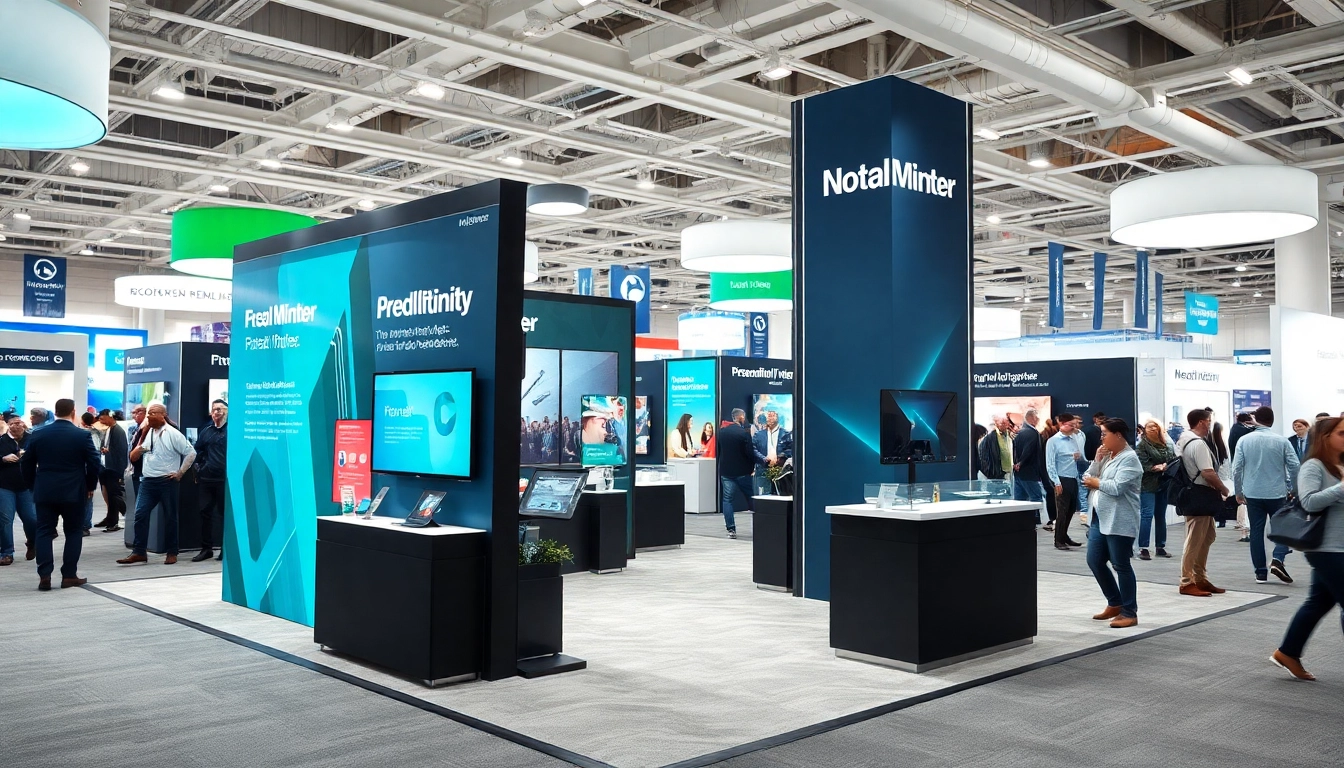
In the competitive landscape of business, companies continually seek opportunities to showcase their offerings and connect with their target audience. One of the most effective avenues for this is participating in trade shows. A well-designed trade show booth serves as the focal point that embodies a brand's identity, engages prospective clients, and facilitates meaningful interactions. This article delves into why establishing a robust presence at trade shows is crucial and explores the key components and objectives for creating an impactful trade show booth.
Why Engage in Trade Shows?
Trade shows offer an unparalleled platform for businesses to connect directly with a vast pool of potential customers, industry peers, and decision-makers. As face-to-face interactions become increasingly valuable in a digital world, trade shows allow for the establishment of trust and personal rapport with prospects. Here are some compelling reasons to engage in trade shows:
- Brand Visibility: With numerous participants and attendees, a trade show presents a unique opportunity to elevate brand recognition.
- Lead Generation: The likelihood of converting leads is significantly higher with direct engagement during trade shows.
- Market Insights: These events provide insightful feedback about competitors and market trends based on firsthand interactions.
- Networking Opportunities: Engaging in trade shows fosters relationships that can lead to collaboration and partnership opportunities.
Key Components of a Successful Trade Show Booth
A standout trade show booth requires a thoughtful combination of elements that collectively contribute to a memorable experience for visitors. Here are some key components to consider:
- Visual Appeal: The booth design should be visually captivating, incorporating colors and elements that represent the brand effectively.
- Clear Messaging: Messaging should be concise, emphasizing the brand's unique value propositions and what sets it apart.
- Engagement Strategies: Incorporating interactive technologies or demonstrations can significantly boost visitor engagement.
- Strategic Placement: The booth's location on the trade show floor can influence visibility and foot traffic. Choosing a spot with high traffic and strategic placement is vital.
Defining Objectives for Your Trade Show Booth
Before diving into the design and execution of a trade show booth, it is essential to outline clear objectives that will guide each aspect of your participation. Common objectives include:
- Brand Awareness: Strive to enhance visibility and recognition among industry peers and potential customers.
- Lead Acquisition: Focus on collecting contact information for follow-up post-event.
- Product Launch: Use the trade show as a platform to unveil new products or services.
- Gathering Feedback: Collect insights from visitors regarding product perception and market demand.
Designing Your Trade Show Booth for Maximum Impact
The design of your trade show booth is critical for creating a strong first impression and engaging visitors. Here are strategies to ensure your booth makes a lasting impact:
Choosing the Right Layout and Space Utilization
The layout of your booth should promote smooth visitor flow and accommodate various interactions, ensuring that every square foot serves a purpose. Here are practical considerations:
- Open Space Design: Create an open space that invites visitors to explore without feeling confined. Utilize circular layouts or incorporate distinct activity zones.
- Traffic Flow Patterns: Arrange products, demos, or seating to facilitate an easy flow of visitors, directing foot traffic towards engaging areas.
- Flexibility: If possible, design a booth that allows for quick adjustments and modifications based on real-time needs or attendee engagement.
Incorporating Branding and Messaging Effectively
Effective branding communicates the essence of your company within seconds of a visitor's arrival. Consider these strategies:
- Consistent Visual Identity: Ensure that colors, fonts, and graphics align with your brand guidelines.
- Compelling Headlines: Use strong headlines and taglines that catch attention and encourage further exploration.
- Display Products and Services: Clearly showcase product offerings through creative arrangements and demonstrations.
Utilizing Technology and Interactive Features
Incorporating technology into your trade show booth can create excitement and engagement:
- Interactive Touchscreens: Use touchscreens for product videos, digital catalogs, or interactive quizzes to engage booth visitors.
- Virtual Reality Experiences: If applicable, VR can provide unique experiences that showcase your offerings vividly.
- Social Media Integration: Encourage visitors to engage with your brand online, creating an immediate connection that can continue after the event.
Best Practices for Staff Engagement at the Trade Show Booth
Your booth staff plays a crucial role in maximizing the impact of your trade show booth. Engaging staff ensures that interactions are meaningful and that leads are cultivated:
Training Your Team for Success
Well-trained staff can make or break your trade show experience. Consider the following considerations:
- Product Knowledge: Ensure that all staff members have comprehensive knowledge of products and services.
- Customer Engagement Techniques: Train staff in techniques for engaging visitors, such as active listening and open-ended questioning.
- Goal Awareness: Make sure your team understands the event objectives and performance metrics for lead generation.
Creating a Welcoming Atmosphere
A welcoming atmosphere encourages visitors to engage with your trade show booth. Tips include:
- Warm Greetings: Train staff to greet every visitor promptly with a friendly smile and engaging conversation.
- Comfortable Spaces: Consider including seating or refreshments to create an inviting environment.
- Active Engagement: Encourage staff to initiate conversations with passersby rather than waiting for visitors to approach them.
Strategies for Effective Networking
Networking is a primary goal of attending trade shows. Achieve effective networking through:
- Exchange of Contact Information: Equip staff with business cards or digital means of exchanging contact details.
- Follow-Up Planning: Create a system to categorize leads and establish follow-up strategies to nurture the connections made.
- Participate in Networking Events: Make use of any networking functions available throughout the trade show to broaden your connections.
Marketing Your Trade Show Booth Before, During, and After the Event
A successful trade show booth requires strategic marketing efforts before, during, and after the event:
Promoting Your Presence on Social Media
Utilizing social media to promote your trade show booth can amplify your visibility:
- Teasers and Announcements: Share exciting teasers about your products, services, and any exclusive offers planned for the event.
- Live Updates: Post live updates during the trade show to keep followers engaged, sharing images and insights from the floor.
- Post-Event Highlights: After the event, share highlights and major takeaways to maintain the engagement momentum.
Utilizing Pre-Event Invitations and Follow-Ups
Maximize attendance at your booth through effective invitations and follow-up communications:
- Pre-Event Invitations: Implement an email campaign to your existing customer base and prospects inviting them to visit your booth.
- Exclusive Offers: Consider offering exclusive incentives such as discounts or giveaways to attract more attendees.
- Post-Event Follow-Up: After the event, engage your leads through personalized follow-ups to cultivate relationships.
Cultivating Leads Post-Event
Post-event follow-up is crucial for converting leads into customers:
- Segment Your Leads: Categorize leads based on interest, stage in the sales cycle, or interaction level to tailor your future communications.
- Provide Additional Information: Send follow-up emails with detailed product information, case studies, or testimonials that address specific pain points discussed during the event.
- Solicit Feedback: Gathering feedback from attendees can enhance future event strategies and demonstrate your commitment to customer satisfaction.
Measuring the Success of Your Trade Show Booth
Evaluation of the success of your trade show booth is essential for developing strategies for future events:
Establishing Key Performance Indicators
Define specific metrics to measure the effectiveness of your participation at trade shows, including:
- Lead Generation: Track the number of leads collected and the quality of those leads.
- Engagement Metrics: Assess visitor engagement through interactions, product demonstrations, or on-site surveys.
- Return on Investment (ROI): Compare the costs of participation against the revenue generated from leads that convert.
Gathering Feedback and Insights
Feedback from both staff and visitors is invaluable for future improvements:
- Staff Debriefs: Conduct post-event meetings with staff to discuss what worked, what didn’t, and lessons learned.
- Visitor Surveys: Distribute surveys during or after the event to gather insights on visitor experience and preferences.
- Competitive Analysis: Gather feedback regarding competitive boot presentations to benchmark your performance against others in your industry.
Planning for Future Trade Shows
Utilize insights gathered from measuring success at trade shows to refine future strategies:
- Iterative Improvements: Adapt your booth design and messaging based on feedback and performance metrics.
- Reassessing Objectives: Continuously refine your trade show goals to align with changing market trends and business objectives.
- Engagement Strategies: Experiment with new engagement strategies to stay innovative and compelling for future trade shows.