Introduction to Structural Steel Construction
What is Structural Steel Construction?
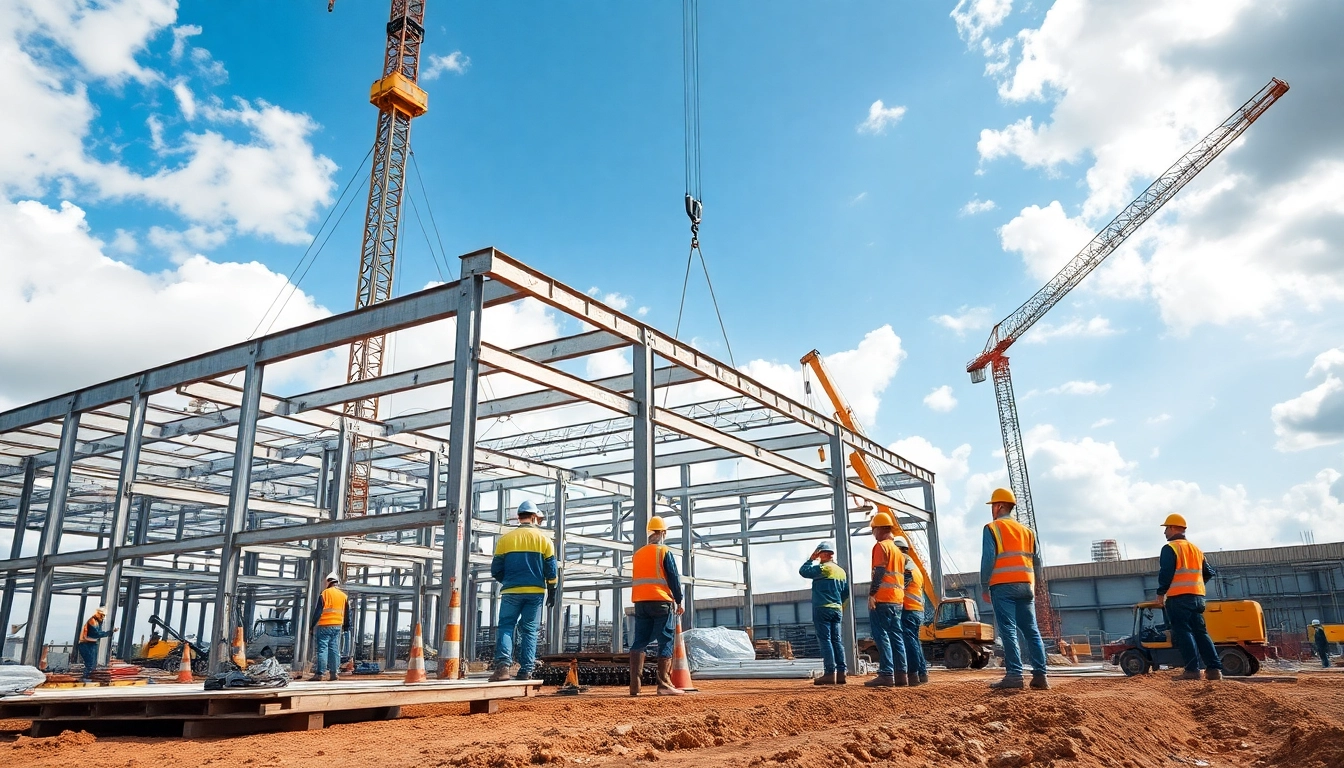
Structural steel construction refers to a method of building that utilizes steel as the primary material for the structural framework. Unlike traditional materials such as wood or masonry, steel offers unparalleled strength-to-weight ratios, making it the material of choice for a wide range of structures, from commercial skyscrapers to industrial buildings. Its ability to bear significant loads while remaining lightweight is one of the primary reasons that structural steel construction has become a cornerstone of modern architecture.
Importance in Modern Architecture
Structural steel has revolutionized modern architecture by enabling the construction of innovative designs that would be impossible with traditional materials. From the soaring heights of skyscrapers to expansive bridges, steel allows architects to push the boundaries of creativity and practicality. The adaptability of steel construction lends itself to a variety of architectural styles, providing the flexibility needed to meet aesthetic and functional requirements while also ensuring structural integrity.
Historical Development and Evolution
The use of steel in construction began in the 19th century with the advent of the Industrial Revolution, which saw significant advancements in steel production techniques. Initially used for railroad bridges and heavy industrial buildings, the implementation of steel evolved to support the burgeoning urban landscapes of the 20th century. Key milestones, such as the construction of the Eiffel Tower and the development of steel frame structures, showcased the material's potential and established it as a defining feature of contemporary architecture. Today, the evolution continues with innovative fabrication techniques and designs.
Key Benefits of Structural Steel Construction
Durability and Strength Specifications
One of the most significant advantages of structural steel construction is its durability and strength. Steel structures can withstand extreme weather conditions, resist corrosion, and endure heavy loads without compromising integrity. Furthermore, advancements in steel treatment and coating techniques have increased the lifespan of steel structures, making them suitable for long-term use in a variety of environments.
Cost-Effectiveness and Efficiency
While the initial costs of structural steel may be higher compared to some traditional materials, its long-term cost-effectiveness is noteworthy. The speed of construction is enhanced using prefabricated steel components, resulting in reduced labor costs and shorter project timelines. Additionally, the efficiency of energy usage in steel manufacturing and the possibility of recycling steel at the end of its useful life further enhance its economic viability.
Sustainability and Environmental Impact
The sustainability of structural steel construction is evident in its recyclability and reduced environmental footprint. An impressive percentage of steel is recycled globally, minimizing the demand for new raw materials and lowering energy consumption during manufacturing. This sustainable approach aligns with increasing demands for green building practices and reflects a commitment to environmental stewardship in construction.
Common Challenges in Structural Steel Construction
Logistical and Supply Chain Issues
Logistical challenges often arise in structural steel construction when dealing with supply chain management for materials. The need for precise planning and coordination is critical to ensure timely delivery of materials to the construction site. Delays in transportation can hinder project timelines, so establishing strong supplier relationships and employing just-in-time inventory strategies are essential tactics to mitigate these risks.
Regulatory Compliance and Safety Standards
Structural steel construction must comply with various industry regulations and safety standards to ensure the safety of workers and the structural integrity of the building. Navigating these regulations can be complex, requiring ongoing education and training for project managers and construction teams. Adopting a proactive approach that includes safety audits and compliance checks can help reduce risks associated with legal liabilities.
Addressing Environmental Concerns
While structural steel construction offers substantial sustainability benefits, it is imperative to address any negative environmental concerns. For instance, the energy-intensive process of steel production can contribute to greenhouse gas emissions. However, ongoing improvements in production efficiency and increased reliance on renewable energy sources are critical steps being taken to mitigate these impacts and improve overall sustainability in the industry.
Best Practices in Structural Steel Construction
Design Considerations and Approaches
Effective design is the backbone of successful structural steel construction. Architects and engineers must collaborate early in the project to ensure the design complements the material's properties. Incorporating Building Information Modeling (BIM) can optimize design efficiencies, enable effective communication among stakeholders, and enhance the accuracy of material estimates and structural layouts, reducing waste and enhancing productivity.
Choosing the Right Steel Materials
Selecting the appropriate steel materials is crucial to achieving the desired structural performance. Factors such as tension, compression, and overall load-bearing requirements should dictate the choice between various steel grades and types. Consulting with metallurgical experts and utilizing high-strength steel can ensure that the specifications align with the performance requirements of the project.
Effective Project Management Strategies
Robust project management is essential for keeping structural steel construction on track. This includes establishing clear communication channels among contractors, suppliers, and project teams. Employing project management software can facilitate tracking of project timelines, budgets, and compliance with safety regulations, ultimately leading to successful project execution and completion.
Future of Structural Steel Construction
Emerging Trends and Innovations
The future of structural steel construction is poised for transformative changes driven by innovations in technology and construction methods. New trends such as modular construction, where parts of buildings are prefabricated off-site and assembled on-site, are gaining popularity due to their efficiency and reduction in construction waste. Additionally, advancements in smart building technologies are integrating IoT devices with steel structures, leading to improved operational efficiency and safety monitoring.
Technological Advancements in Construction
Technology plays a pivotal role in shaping the future of structural steel construction. Innovations such as 3D printing and robotics are being incorporated into the building process, enhancing precision and transforming traditional practices. Automation, combined with structural steel's capabilities, holds the potential to revolutionize productivity in the construction sector, allowing for safer and faster project executions.
Predictions for Industry Growth
As urbanization continues to rise globally, demand for structural steel construction is anticipated to increase significantly. The growing emphasis on sustainable building practices combined with advancements in construction technology suggests that the industry will expand and evolve in exciting ways. Predictive analyses suggest that by continuously innovating, companies specializing in structural steel construction are well-positioned to capture a significant share of future market growth.
Frequently Asked Questions
What types of buildings commonly use structural steel?
Structural steel is commonly used in high-rise buildings, bridges, stadiums, industrial facilities, and warehouses due to its strength and flexibility.
Is structural steel construction more expensive than other methods?
While initial costs may be higher, the overall life-cycle cost efficiencies often make structural steel construction more cost-effective in the long run.
Can structural steel be recycled?
Yes, structural steel is highly recyclable. Approximately 90% of steel can be recycled without loss of quality, making it an eco-friendly option.
What are the safety regulations for structural steel construction?
Safety regulations include adherence to OSHA standards, regular safety audits, and compliance with local building codes to ensure worker safety and structural integrity.
How does structural steel contribute to sustainability?
Structural steel contributes to sustainability through its recyclability, reduced environmental impact during production, and energy-efficient construction practices.