Introduction to Structural Steel Construction
Structural steel construction remains a cornerstone of modern building techniques, characterized by its strength, flexibility, and durability. This versatile material serves as the skeleton of countless structures, including high-rise buildings, bridges, and commercial spaces. The expected lifespan and performance of structural steel have made it a prominent choice for construction projects worldwide, and its role continues to grow as industries evolve. Understanding the nuances of structural steel construction allows industry professionals to leverage its benefits and implement it effectively in their projects.
Definition and Importance
Structural steel refers to a category of steel used in the construction of buildings and other infrastructures. It is engineered to possess high tensile strength while being lightweight, which allows for efficient and safe construction practices. Structural steel products come in a variety of shapes and sizes, each suited for specific applications and load-bearing capacities. The importance of structural steel extends beyond its physical characteristics; it also plays a vital role in the sustainability of construction processes due to its recyclability and lower energy requirements compared to other materials.
Historical Context and Evolution
The use of steel in construction can be traced back to the mid-19th century during the Industrial Revolution. Initially, cast iron was the primary metal used, but over time, engineers and architects recognized the superior properties of wrought iron and eventually structural steel. The invention of the Bessemer process in 1856 revolutionized steel production, allowing for efficient mass production. Since then, structural steel has evolved considerably, influencing architectural designs and enabling the creation of taller, more complex buildings. Today, advancements in steel production techniques and design tools have further refined the use and application of structural steel in construction.
Types of Structural Steel Used in Construction
Generally, structural steel can be classified into several categories based on its composition, purpose, and formation. Here are the primary types:
- Carbon Steel: Primarily composed of iron and a small percentage of carbon, carbon steel has various grades that define its strength and ductility.
- Alloy Steel: This steel type contains additional elements, such as chromium or nickel, to enhance specific properties, making it ideal for applications requiring high strength and resistance.
- High-Strength Low-Alloy (HSLA) Steel: HSLA steel is designed for high performance, combining good mechanical properties with weight reduction, making it a favored option in modern constructions.
- Stainless Steel: Known for its corrosion resistance, stainless steel is utilized in structures exposed to harsh environments, ensuring longevity and reduced maintenance.
Benefits of Structural Steel in Construction
Durability and Strength
One of the standout features of structural steel is its remarkable durability. Structurally engineered to withstand significant loads, it is resistant to deformation and wear over time. Unlike other materials such as wood or concrete, which may degrade under various conditions, structural steel offers consistent strength throughout its lifespan, often lasting over a century with minimal degradation.
Cost-Effectiveness and Efficiency
When evaluating project costs, structural steel often emerges as a cost-effective material due to several factors. Firstly, its lightweight nature reduces transportation and handling costs during construction. Moreover, prefabricated steel elements expedite assembly on-site, minimizing labor and time associated with traditional construction methods. The reduced time to completion also translates to lower overhead costs for clients, making structural steel a competitive choice in budget-sensitive projects.
Design Flexibility and Aesthetic Appeal
The ability to create expansive spaces without the need for numerous supporting columns is one of structural steel’s most appealing aspects. This flexibility encourages innovative architectural designs and enables the realization of creative visions, from open-plan office spaces to iconic skyscrapers. Furthermore, with the development of various finishes and treatments, structural steel can also achieve attractive aesthetics while maintaining its structural integrity.
Common Structural Steel Shapes and Their Applications
Beams and Columns
Structural beams and columns are the building blocks of any steel-framed structure. Available in various profiles, including I-beams, H-beams, and C-channels, they are designed to resist bending and support loads efficiently. I-beams are particularly popular for their effective load distribution, making them a staple in both residential and commercial constructions. Columns, which vertically support beams, are crucial in maintaining structural stability, especially in high-rise buildings.
Plates and Angles
Steel plates and angles are integral components used for various applications in structural steel construction. Plates are flat sections that can be cut and welded into different shapes, while angle bars provide reinforcement and support for frameworks. Together, they enhance the structural integrity and can be utilized in applications ranging from bracing systems to floor supports.
Custom Fabrications
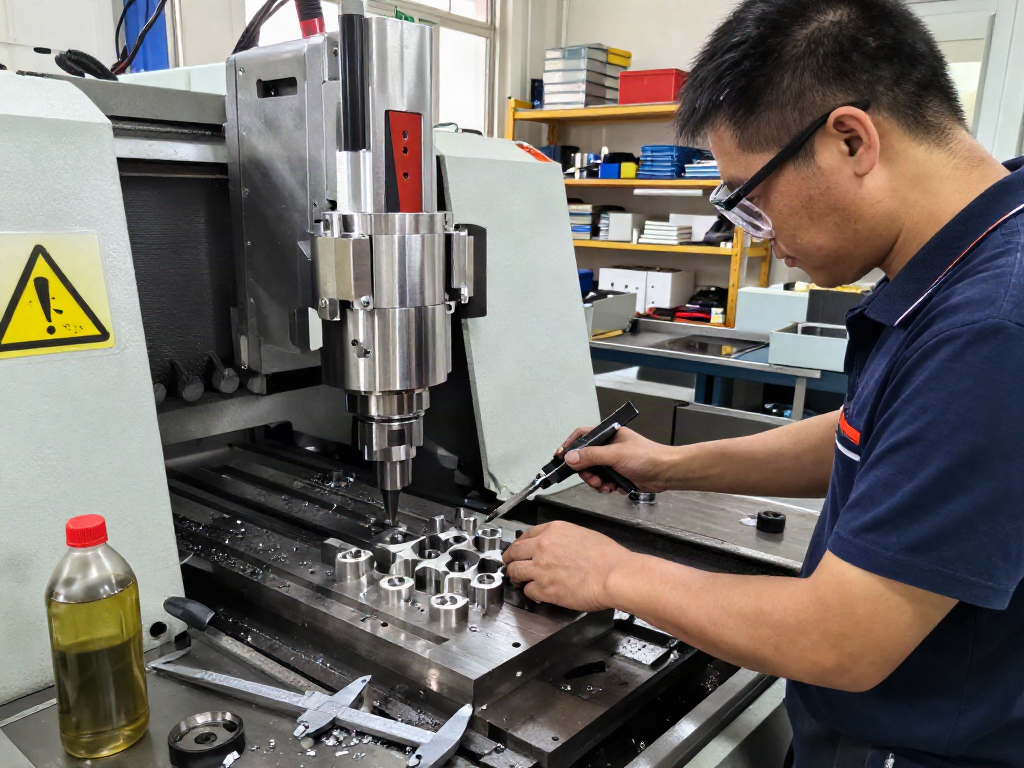
With advancements in technology, custom fabrication has become increasingly viable. Custom steel pieces can be designed to meet specific structural requirements capable of accommodating unique architectural features. This level of customization facilitates robust designs while ensuring adherence to required safety standards. Additionally, automated manufacturing processes allow for high precision and efficient delivery of specialized components.
Best Practices for Structural Steel Construction
Safety Standards and Regulations
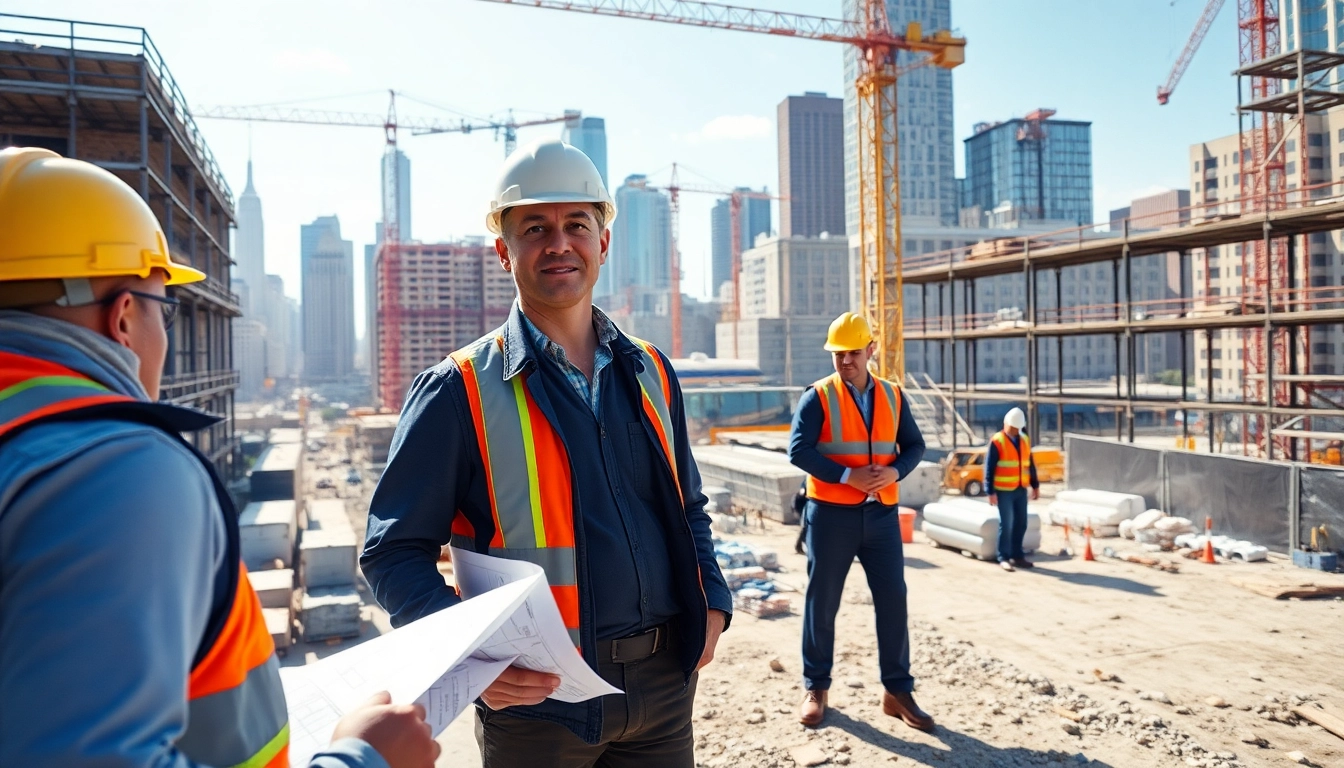
Ensuring safety and compliance with established regulations is paramount in structural steel construction. Adhering to standards set by organizations like the American Institute of Steel Construction (AISC) and Occupational Safety and Health Administration (OSHA) articles helps protect workers and occupants alike. Construction teams must undergo comprehensive training in safety procedures, including the proper use of protective gear and equipment, to mitigate risks associated with steel construction.
Construction Methods and Techniques
Modern construction methods such as Steel Frame construction and Modular construction are increasingly prevalent. Steel Frame construction combines structural steel elements to create resilient frameworks that also optimize natural light and space. Meanwhile, Modular construction involves prefabricating building sections off-site for rapid assembly, reducing overall project timelines and costs. These techniques highlight the scalability and efficiency of structural steel construction.
Quality Control and Inspections
Quality control in structural steel construction involves regular inspections and testing throughout the fabrication and erection processes. Key performance indicators (KPIs) should include measurements of tolerances, weld integrity, and material specifications. Implementing stringent checks ensures that each component meets design criteria, reducing the risk of structural issues post-construction.
Future Trends in Structural Steel Construction
Sustainable Practices and Materials
Sustainability is at the forefront of construction trends, with a growing emphasis on minimizing environmental impact. The structural steel industry is adapting through practices such as recycling scrap steel, utilizing low carbon steel options, and applying energy-efficient manufacturing methods. By prioritizing sustainable materials and processes, construction projects can contribute to a more circular economy.
Technological Innovations
Emerging technologies such as Building Information Modeling (BIM), 3D printing, and robotic fabrication are transforming the landscape of structural steel construction. BIM facilitates collaboration among stakeholders by providing detailed insights into design and project management, whereas 3D printing allows for the creation of complex components that were previously difficult to manufacture. Robotics enhances automation, potentially reducing human error and increasing efficiency on construction sites.
Case Studies of Modern Projects
Several notable projects worldwide showcase the innovative use of structural steel. For instance, the Burj Khalifa in Dubai, standing over 828 meters tall, utilizes over 100,000 tons of structural steel. Its stunning architectural design was made possible through the inherent strength and flexibility of steel. Similarly, the expansion of the Seattle-Tacoma International Airport involved precision-engineered steel components to accommodate innovative design while ensuring structural stability and safety.