1. Introduction to Structural Steel Construction
The role of structural steel construction in modern architecture is monumental. From skyscrapers to bridges, structures of immense heights and vast spans rely on the strength and versatility of structural steel. Defined predominantly as carbon-based steel that meets stringent ASTM standards, it supports myriad construction applications globally. In this expansive guide, we will delve into the various elements that constitute structural steel construction, ranging from the materials used to advanced construction techniques, ensuring you grasp the full context of this essential building material and its future implications in the industry.
1.1 What is Structural Steel?
Structural steel is a type of steel used for making construction materials in various shapes, predominantly characterized by its high strength-to-weight ratio, durability, and flexibility. It is fundamental in the construction of buildings, bridges, and various structures requiring robust frameworks. Structural steel is principally made of iron with a small percentage of carbon, which improves its strength and ductility, allowing for intricate design layouts.
1.2 Importance in Modern Construction
In contemporary construction, structural steel serves as a backbone for many architectural designs, facilitating building techniques that were not possible with traditional materials. The ability of structural steel to bear heavy loads while remaining relatively lightweight makes it a preferred choice for engineers and architects. Common applications include industrial buildings, residential high-rises, and public infrastructures. Moreover, its recyclability contributes to sustainable building practices, aligning with ecological standards.
1.3 Overview of Different Steel Grades
The classification of structural steel into various grades is crucial for delineating its applications. Common grades include ASTM A36, ASTM A992, and ASTM A572, each designed for specific structural requirements, such as yield strength, weldability, and tensile strength. Understanding these grades ensures that engineers select appropriate materials for their projects, thereby enhancing safety and performance.
2. Types of Structural Steel Components
2.1 Common Shapes and Their Uses
Structural steel is available in a variety of shapes, each serving different functions. Some common shapes include:
- I-Beams: Widely used in buildings and bridges, providing excellent load-bearing capabilities.
- Hollow Sections: Often utilized in architectural applications due to their aesthetic appeal and efficient use of material.
- Channel Sections: Suitable for bracing systems and other applications requiring high strength with lightweight structures.
- Tubes: Common in framing, they provide robust frameworks while minimizing weight.
2.2 Comparison of Steel Grades
Each steel grade offers unique characteristics suited for particular applications. For instance, ASTM A36 is favored for its ductility and weldability, making it ideal for a variety of structures. In contrast, ASTM A992, known for its high strength, is often utilized in buildings requiring resistance to lateral forces. The selection of an appropriate grade plays a vital role in structural design and performance.
2.3 Role of Fabrication in Construction
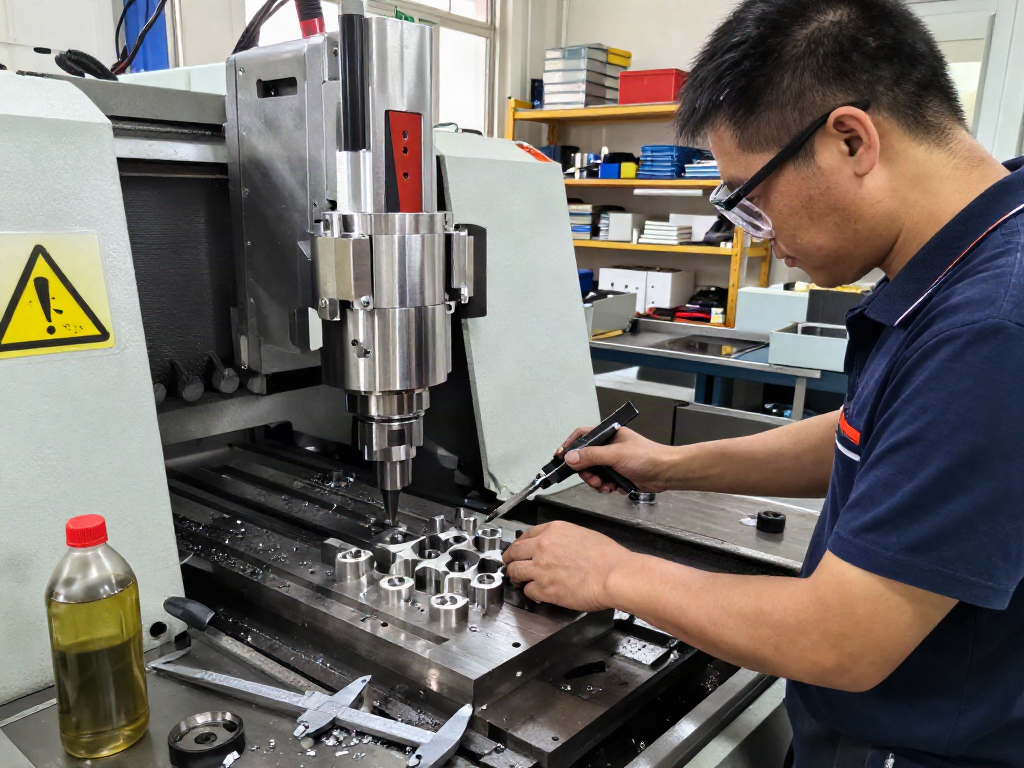
Fabrication is pivotal to structural steel construction, involving processes like cutting, bending, and assembling steel components to specifications. This preconstruction stage ensures accuracy, efficiency, and reduced waste on-site. Furthermore, advancements in technology, such as CNC cutting and robotic welders, have elevated fabrication standards, leading to improved precision and safety in construction practices.
3. Structural Steel Construction Techniques
3.1 Welded versus Bolted Connections
Connections in structural steel can either be welded or bolted, each possessing its advantages and suitable applications. Welded connections provide a continuous joint which can withstand different stress types, making them ideal for high-stress zones. Conversely, bolted connections offer flexibility and ease of assembly, making them suitable for structures requiring adjustments and future modifications.
3.2 Erection Methods and Best Practices
The erection of structural steel involves meticulous planning and best practices to ensure safety and efficiency. Techniques such as sequential lifting, the use of cranes, and scaffolding systems need to be harmonized with safety protocols to mitigate risk. Additionally, effective communication among the team and pre-planned procedures are essential to minimize on-site errors during erection.
3.3 Quality Control in Construction
Quality control procedures in structural steel construction include thorough inspection and testing of materials and connections. Adherence to ISO and ASTM standards, alongside rigorous post-fabrication evaluations, ensures that the steel components meet the structural requirements. This can involve non-destructive testing methods, such as ultrasonic and magnetic particle tests, facilitating the identification of any defects before assembly.
4. Benefits of Using Structural Steel
4.1 Durability and Longevity
Structural steel exhibits exceptional durability, allowing structures to withstand severe weather conditions and heavy loads without compromising integrity. Properly maintained steel constructions can endure for 50 to 100 years, offering long-term stability and performance.
4.2 Cost-Effectiveness Over Time
While initial costs for structural steel fabrication may be higher than other materials, its longevity and low maintenance requirements equate to significant savings. Steel’s durability minimizes repair and replacement costs, providing a cost-effective solution in the long run.
4.3 Environmental Sustainability
Structural steel is one of the most eco-friendly construction materials available. Its recyclability means it can be repurposed entirely at the end of its life cycle, drastically reducing environmental impact. Furthermore, modern steel manufacturing processes employ energy-efficient technologies to decrease emissions during production.
5. Future Trends in Structural Steel Construction
5.1 Innovations in Steel Fabrication
Advancements in fabrication technologies, such as automated welding and plasma cutting, are making steel construction more efficient. Innovations like 3D printing of steel components are emerging, enabling complex designs that were once thought impractical. These technologies not only enhance design possibilities but also streamline production processes, reducing lead times.
5.2 Integration of Technology in Construction
The use of Building Information Modeling (BIM) is revolutionizing structural steel construction by promoting real-time collaboration between stakeholders. BIM optimizes design, facilitates better coordination between trades, and predicts potential conflicts early in the construction process, leading to a more efficient workflow.
5.3 Anticipated Developments in Design Standards
As sustainability becomes increasingly vital, future construction standards are anticipated to incorporate stricter regulations concerning energy consumption and material efficiency. The shift towards resilient infrastructures will likely evolve design codes to favor materials and methodologies that are responsive to environmental challenges.
FAQs
What is structural steel construction?
Structural steel construction involves using carbon-based steel, which meets ASTM standards, to create load-bearing structures in various applications.
How long does structural steel last?
Properly maintained structural steel can last 50-100 years, depending on material quality and environmental conditions.
What are the benefits of structural steel?
Structural steel offers durability, cost-effectiveness, and sustainability, making it a preferred choice in construction.
How is structural steel fabricating done?
Fabrication involves cutting, shaping, and assembling steel according to design specifications before site assembly.
What differentiates structural steel from regular steel?
Structural steel is designed for load-bearing applications, whereas regular steel may serve non-load-bearing purposes.